The Developing HPA Axis: Molecular Mechanisms, Sex Differences, and Translational Implications
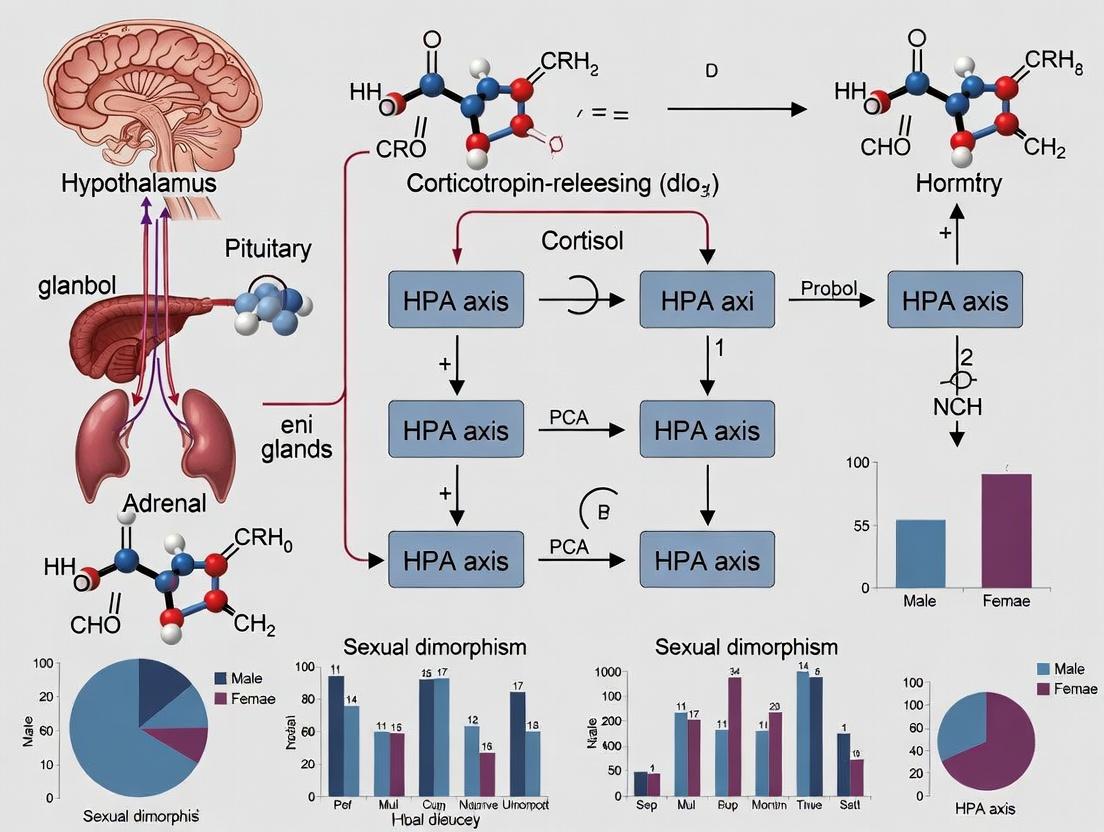
This review synthesizes current research on the Hypothalamic-Pituitary-Adrenal (HPA) axis development and its profound sexual dimorphism.
The Developing HPA Axis: Molecular Mechanisms, Sex Differences, and Translational Implications
Abstract
This review synthesizes current research on the Hypothalamic-Pituitary-Adrenal (HPA) axis development and its profound sexual dimorphism. Targeting researchers and drug development professionals, the article provides a foundational overview of the axis's ontogeny and sex-specific organization. It examines critical methodologies and preclinical models for studying this neuroendocrine system, addresses common experimental pitfalls and optimization strategies, and offers a comparative analysis of model systems for validation. The conclusion highlights key translational implications for stress-related disorders, neurodevelopmental conditions, and sex-specific therapeutic development.
Blueprint of Stress: Ontogeny and Sexual Differentiation of the HPA Axis
Within a broader thesis investigating the developmental origins of HPA axis sexual dimorphism and its implications for stress-related disorders, understanding the precise timeline of its maturation is fundamental. This guide details key embryonic and postnatal milestones, integrating current molecular and functional data essential for researchers and drug development professionals targeting neuroendocrine pathways.
The maturation of the HPA axis follows a staged program, with critical windows for the emergence of specific components and functions. The table below synthesizes key milestones from rodent models (primarily rat and mouse), which are the primary data sources for precise developmental staging.
Table 1: Key Milestones in Rodent HPA Axis Maturation
| Developmental Stage | Anatomical/Cellular Milestone | Molecular/Functional Milestone | Notes & Sexual Dimorphism |
|---|---|---|---|
| Embryonic Day (E) 10.5-12.5 (Mouse) | Rathke's pouch formation; Specification of corticotrope precursor cells. | Expression of transcription factors (e.g., Hesx1, Pitx1/2, Tpit). | Foundation of anterior pituitary. No overt sexual dimorphism reported at this stage. |
| E14.5-E16.5 (Mouse) | Differentiation of adrenal cortex precursors; PVN of hypothalamus begins to form. | Onset of proopiomelanocortin (POMC) expression in pituitary; CRH neurons appear in PVN. | Adrenal primordium is steroidogenically silent. |
| E18.5-Birth (Mouse) / Gestational Day 18-Birth (Rat) | Zonation of adrenal cortex into fetal zone (inner) and definitive zone (outer). | Basal corticosterone secretion begins; Negative feedback sensitivity is high. | The fetal zone (humans) or X-zone (mice) is prominent. Stress hyporesponsive period (SHRP) initiates. |
| Postnatal Day (P) 1-14 (Rat) | Involution of fetal/X-zone; Growth of zona glomerulosa/fasciculata. | SHRP Maintained: Low basal ACTH/CORT, blunted stress response. High glucocorticoid receptor (GR) expression. | A critical period for programming. Sex differences in GR/MR expression may emerge. |
| P14-21 (Rat) | Maturation of hippocampal and PVN circuits; Adrenal growth spurt. | End of SHRP: Weaning rise in basal CORT; Stress responsiveness emerges. | Timing of SHRP cessation can be sex-specific, influenced by gonadal hormones. |
| P21-Puberty (Rat) | Full adult morphology of adrenal glands; Synaptogenesis in limbic-HPA circuits. | Maturation of fast negative feedback; Adult-like diurnal rhythm established. | Androgens and estrogens drive divergent organizational effects, establishing adult dimorphic stress responses. |
Detailed Experimental Protocols
Understanding these milestones relies on standardized methodologies. Below are detailed protocols for key assays.
3.1. Protocol: Radioimmunoassay (RIA) for Developmental Corticosterone Profiling Objective: To quantitatively measure basal and stress-induced corticosterone levels in plasma from developing rodents. Materials: Trunk blood or plasma samples, Corticosterone [^{125}I] RIA Kit (e.g., from MP Biomedicals), microcentrifuge, gamma counter. Procedure:
- Sample Collection: Sacrifice pups at precise ages (e.g., P7, P14, P21). For stress response, subject pups to a standardized stressor (e.g., 30-min hypoxia, saline injection, or maternal separation) prior to sacrifice.
- Plasma Separation: Centrifuge blood samples at 5000 rpm for 15 min at 4°C. Collect plasma and store at -80°C.
- RIA Execution: Follow kit instructions. Typically involves: a) Dispensing standards and samples into assay tubes. b) Adding [^{125}I]-corticosterone tracer and specific antiserum. c) Incubating overnight at 4°C. d) Adding precipitating reagent, centrifuging, and decanting. e) Counting pellet radioactivity in a gamma counter for 1 minute.
- Data Analysis: Generate a standard curve from known corticosterone concentrations. Interpolate sample concentrations from the curve, correcting for dilution.
3.2. Protocol: In Situ Hybridization for CRH mRNA in the Developing PVN Objective: To localize and semi-quantify corticotropin-releasing hormone (CRH) mRNA expression in the paraventricular nucleus (PVN) during development. Materials: Fresh-frozen brain sections (10-12 µm), DIG-labeled CRH riboprobe, proteinase K, hybridization buffer, anti-DIG-AP antibody, NBT/BCIP staining solution. Procedure:
- Tissue Preparation: Cryosecton coronally through the hypothalamus. Mount on charged slides, post-fix in 4% PFA, and dehydrate.
- Hybridization: Apply proteinase K (1 µg/mL) for permeability. Apply pre-warmed hybridization buffer containing the DIG-labeled CRH probe. Hybridize overnight in a humidified chamber at 55-60°C.
- Post-Hybridization Washes: Perform stringent washes with SSC buffers to remove non-specific binding.
- Immunodetection: Block, then incubate with anti-DIG antibody conjugated to Alkaline Phosphatase (1:2000) for 2 hours.
- Colorimetric Detection: Apply NBT/BCIP substrate. Monitor development under a microscope until signal-to-noise is optimal. Stop reaction in water.
- Analysis: Image sections. Quantify optical density of PVN signal using software like ImageJ, normalized to a background region.
Visualization: HPA Axis Maturation and Key Experimental Pathways
Diagram 1: Key Regulatory Pathways in HPA Maturation
Diagram 2: Experimental Workflow for Developmental HPA Analysis
The Scientist's Toolkit: Essential Research Reagents
Table 2: Key Reagent Solutions for HPA Development Research
| Reagent / Material | Supplier Example | Primary Function in Research |
|---|---|---|
| Corticosterone ELISA/RIA Kit | Enzo Life Sciences, Arbor Assays, MP Biomedicals | Gold-standard for quantifying basal and stress-induced glucocorticoid levels in plasma, serum, or tissue homogenates. |
| CRH (or ACTH) ELISA Kit | Phoenix Pharmaceuticals, Merck Millipore | Measures peptide hormone levels key to HPA axis drive. |
| DIG RNA Labeling Kit & CRH Riboprobe Template | Roche, Sigma-Aldrich | For generating labeled probes for in situ hybridization to localize and quantify CRH mRNA expression in brain sections. |
| Antibodies: GR, MR, CRH, POMC/ACTH | Santa Cruz Biotechnology, Abcam, ImmunoStar | For immunohistochemistry (IHC) or western blot to assess protein expression, localization, and changes post-manipulation. |
| Corticosterone (for injections/implants) | Sigma-Aldrich | Used to experimentally manipulate glucocorticoid levels in vivo to test feedback sensitivity during development. |
| Metyrapone | Sigma-Aldrich | 11β-hydroxylase inhibitor; used to block corticosterone synthesis, testing HPA axis negative feedback integrity and CRH/ACTH drive. |
| RNAlater Stabilization Solution | Thermo Fisher Scientific | Preserves RNA integrity in tissues (e.g., pituitary, PVN, hippocampus) collected during developmental time-course studies for subsequent transcriptomics/qPCR. |
This whitepaper examines the mechanistic underpinnings of critical periods (CPs) and windows of plasticity, with a specific focus on their role in programming the hypothalamic-pituitary-adrenal (HPA) axis and establishing life-long functional trajectories. Framed within contemporary research on sexual dimorphism, we detail the molecular drivers, experimental paradigms, and translational implications for neuroendocrine drug development.
Critical periods are evolutionarily conserved, temporally restricted phases during which neural circuits exhibit heightened sensitivity to specific environmental cues for optimal structural and functional maturation. Their dysregulation is implicated in the developmental origins of health and disease (DOHaD), particularly concerning stress-related disorders. The HPA axis, a primary mediator of the stress response, undergoes sexually dimorphic programming during prenatal and early postnatal CPs, leading to enduring differences in stress reactivity, metabolism, and behavior between males and females.
Core Mechanisms Governing Plasticity Windows
The opening and closure of CPs are regulated by a balance between excitatory/inhibitory (E/I) circuit maturation and molecular "brakes."
Key Signaling Pathways and Molecular Brakes
Diagram 1: Molecular cascade leading to critical period closure.
HPA Axis Programming: A Model of Developmental Plasticity
The HPA axis exhibits a prenatal CP where glucocorticoid exposure programs its future set-point.
Diagram 2: Developmental programming of the HPA axis set-point.
Quantitative Data: Key Findings in Sexual Dimorphism
Table 1: Sexually Dimorphic Features in HPA Axis Development and Plasticity
| Parameter | Male Phenotype | Female Phenotype | Developmental Window | Key Reference (Example) |
|---|---|---|---|---|
| Basal CORT Levels | Lower | Higher | Postnatal Days (P) 7-21 | (McCormick et al., 1995) |
| Stress-Induced CORT | Blunted | Exaggerated | Puberty (P28-45) | (Romeo, 2010) |
| Hippocampal GR Density | Higher | Lower | Prenatal & Early Postnatal | (Seale et al., 2004) |
| Amygdala CRH Expression | Lower | Higher | Prenatal | (Bowers et al., 2022) |
| Prefrontal Cortex Plasticity | Earlier CP closure | Extended CP duration | Adolescence | (Drzewiecki et al., 2016) |
Table 2: Interventions that Reopen Plasticity Windows in Rodent Models
| Intervention | Target | Effect on CP | Efficacy in Adults | Sex-Specific Effect |
|---|---|---|---|---|
| Fluoxetine (SSRI) | Increases 5-HT, BDNF | Reopens ODP in V1 | Yes, transient | Greater in females |
| Chondroitinase ABC | Degrades PNNs | Reinstates plasticity | Yes | More effective in males |
| Environmental Enrichment | Enhances sensory input | Extends CP duration | Moderate | Dimorphic response |
| HDAC Inhibitors | Increases gene expression | Reopens fear extinction CP | Yes | Under investigation |
Experimental Protocols
Protocol: Assessing HPA Axis Programming in Neonatal Rodents
Objective: To determine the impact of early-life stress on adult HPA axis function in a sex-specific manner.
- Subjects: Timed-pregnant Sprague-Dawley rats or C57BL/6J mice. Cross-foster pups at birth to standardize maternal care.
- Neonatal Manipulation (P1-P14): Apply a Maternal Separation (MS) paradigm (180 min/day) or a Limited Bedding/Nesting paradigm to induce fragmented maternal care. Control litters remain undisturbed.
- Tissue Collection & Molecular Analysis:
- Perfusion/Fresh Dissection (Adulthood): Collect brain (PVN, hippocampus, amygdala) and pituitary.
- In situ hybridization / qPCR: Quantify Crh, Avp, Gr, Mr mRNA.
- Immunohistochemistry: For c-Fos (activity marker) post-stress, and parvalbumin/PNNs.
- Functional Readouts (Adulthood):
- Restraint Stress Test (30 min): Measure plasma CORT via ELISA at baseline, 30, 60, 90 min post-stress.
- Dexamethasone Suppression Test (DST): Inject dexamethasone (10 µg/kg, s.c.), measure CORT 2h later to assess negative feedback.
Protocol: Reopening Ocular Dominance Plasticity (ODP)
Objective: To test pharmacological reopening of a canonical visual cortex CP.
- Subjects: Adult mice (>P120), both sexes.
- Monocular Deprivation (MD): Surgically suture shut the right eyelid for 7 days.
- Treatment: Daily intraperitoneal injections of Fluoxetine (20 mg/kg) or saline for the MD duration.
- Assessment:
- Optical Imaging of Intrinsic Signal: Map visual cortex ocular dominance columns pre- and post-MD.
- Calculate Ocular Dominance Index (ODI): ODI = (Ccontra - Cipsi) / (Ccontra + Cipsi). Positive shift indicates plasticity.
- Ex vivo Analysis: Visual cortex tissue analyzed for PNN integrity (WFA staining) and PV interneuron activity markers.
The Scientist's Toolkit: Key Research Reagents
Table 3: Essential Reagents for Critical Period Research
| Reagent / Material | Function & Application | Example Product (Supplier) |
|---|---|---|
| Corticosterone ELISA Kit | Quantifies plasma/serum/tissue CORT levels as primary HPA output. | DetectX Corticosterone ELISA (Arbor Assays) |
| Dexamethasone Sodium Phosphate | Synthetic glucocorticoid for negative feedback tests (DST). | D4902 (Sigma-Aldrich) |
| Chondroitinase ABC | Enzyme that degrades chondroitin sulfate proteoglycans in PNNs to reopen plasticity. | C3667 (Sigma-Aldrich) |
| Wisteria Floribunda Lectin (WFA) | Fluorescently conjugated lectin used to label and quantify PNNs in brain sections. | B-1355 (Vector Labs) |
| Parvalbumin Antibody | Labels the primary interneuron subtype governing CP plasticity. | PV235 (Swant) |
| AAV-Cre (DIO-hM3Dq/hM4Di) | Chemogenetic tool for selective activation/silencing of defined neuronal populations during CPs. | AAV8-hSyn-DIO-hM3D(Gq)-mCherry (Addgene) |
| RNAScope Multiplex Assay | In situ hybridization for simultaneous visualization of multiple target mRNAs (e.g., Crh, Gr). | Advanced Cell Diagnostics |
| Telemetric EEG/EMG Implants | For chronic, wireless recording of sleep architecture, a key modulator of CP plasticity. | HD-X02 (Data Sciences International) |
Sexual dimorphism in physiology, disease susceptibility, and behavior is a fundamental characteristic of mammalian biology. A central, long-standing paradigm attributed these differences primarily to the organizational and activational effects of gonadal steroid hormones (estrogens, androgens). However, contemporary research highlights a significant and independent role for sex chromosome complement (XX vs. XY) in shaping dimorphism, acting both in tandem with and independently of hormonal signals. This whitepaper dissects this complex interaction, focusing on its critical implications for the development and function of the Hypothalamic-Pituitary-Adrenal (HPA) axis—a core neuroendocrine system governing stress response that exhibits profound sex differences in its regulation and disease correlates.
Core Conceptual Models and Key Signaling Pathways
The "Four Core Genotypes" (FCG) model is the seminal experimental paradigm that disentangles these variables. This model utilizes transgenic mice in which the Sry gene (the testis-determining factor) is moved from the Y chromosome to an autosome. This creates four distinct genotypes:
- XX with ovaries (typical female)
- XX with testes (due to autosomal Sry)
- XY with ovaries (due to lack of Sry on Y)
- XY with testes (typical male)
Comparisons between groups with the same gonad type but different chromosome complements (e.g., XX with testes vs. XY with testes) reveal effects of sex chromosomes. Comparisons between groups with the same chromosome complement but different gonad types (e.g., XX with ovaries vs. XX with testes) reveal hormonal effects.
Table 1: Disentangling Variables via the Four Core Genotypes Model
| Genotype | Gonadal Sex | Sex Chromosome Complement | Primary Hormonal Source |
|---|---|---|---|
| XX, Sry- | Ovaries | XX | Estrogens/Progestins |
| XX, Sry+ | Testes | XX | Androgens |
| XY, Sry- | Ovaries | XY | Estrogens/Progestins |
| XY, Sry+ | Testes | XY | Androgens |
Diagram 1: Hormonal vs. Chromosomal Effects on Phenotype
Title: Two Pathways to Sexual Dimorphism
Experimental Evidence & Quantitative Data
Research using the FCG model and cell-based systems has quantified the relative contributions of hormones and chromosomes.
Table 2: Documented Contributions to HPA Axis and Neural Dimorphisms
| Phenotype / Measurement | Hormonal Influence (Gonad-Driven) | Chromosomal Influence (XX vs. XY) | Key Study Insights |
|---|---|---|---|
| Basal CORT Levels | Strong: Ovarian >> Testicular | Moderate | XX complement associated with ~20% higher AM CORT vs. XY, independent of gonad. |
| Stress-Induced CORT | Strong: Androgens blunt response. | Present | FCG models show XY mice have faster return to baseline post-stress. |
| AVP Expression in PVN | Very Strong: Androgens upregulate. | Minor/Modulating | Chromosome effects detectable in gonadectomized animals, altering sensitivity. |
| CRH Neuron Density | Moderate: Estrogenic effects. | Significant | XX neurons show distinct electrophysiological properties in culture. |
| Autoimmune Disease Risk | Strong (Immunomodulation) | Very Strong | XX complement increases susceptibility independent of hormones (e.g., in FCG). |
Detailed Experimental Protocols
Protocol 1: Establishing the Four Core Genotypes Mouse Model
- Animal Generation: Breed XY* mice (carrying a mutated Y chromosome lacking Sry) with XX Sry+ mice (carrying an autosomal Sry transgene).
- Genotyping: At weaning (P21), perform tail biopsy. Use PCR to identify: a) Presence/Absence of Sry transgene, b) Presence of Y chromosome (e.g., Zfy gene).
- Gonadectomy/SHAM Surgery: At 6-8 weeks, perform gonadectomy or SHAM surgery under isofluorane anesthesia. This separates activational hormonal effects.
- Hormone Replacement: Implant subcutaneous pellets (e.g., testosterone, estradiol, placebo) in gonadectomized animals for specific hormonal milieu studies.
Protocol 2: Assessing HPA Axis Function in FCG Models
- Baseline Sampling: Collect blood via submandibular bleed at the circadian trough (AM) and peak (PM). Measure CORT via ELISA/EIA.
- Acute Restraint Stress: Place mouse in a ventilated 50ml conical tube for 30 minutes.
- Post-Stress Time Course: Serially sample blood at t=0 (post-stress), 30, 60, 90, and 120 minutes post-stress.
- Tissue Collection: Perfuse transcardially with PBS followed by 4% PFA. Extract brain and adrenal glands.
- Analysis: Perform in situ hybridization or IHC for CRH and AVP in the PVN. Quantify adrenal weight and medullary/cortical zone ratios.
Molecular Mechanisms: Chromosomal Pathways
The chromosomal pathway operates via:
- Gene Dosage: X-inactivation is incomplete; 10-15% of X-linked genes escape, leading to higher expression in XX cells (e.g., Kdm6a, Kdm5c). Y-linked genes (e.g., Uty) may provide partial homolog compensation.
- Direct Y-Gene Action: Y-linked genes like Sry (in brain) and Uty have direct effects on transcription, mitochondrial function, and immune regulation in somatic cells.
Diagram 2: Chromosomal Pathway in a Cell
Title: Cellular Mechanisms of Sex Chromosome Effects
The Scientist's Toolkit: Key Research Reagent Solutions
Table 3: Essential Reagents for Investigating Hormonal vs. Chromosomal Effects
| Item / Reagent | Function / Application | Key Example/Supplier |
|---|---|---|
| Four Core Genotypes Mice | In vivo model to separate hormonal & chromosomal effects. | JAX Stock #010905 (XY*), #010906 (XXSry). |
| Gonadectomy Kits | Surgical removal of gonads for hormone source elimination. | Fine Science Tools (FST) kits with micro-dissecting instruments. |
| Hormone Pellet Implants | Sustained, controlled hormone replacement in vivo. | Innovative Research of America (IRA) - 90-day release pellets. |
| Corticosterone ELISA/EIA | Sensitive quantification of basal & stress-induced CORT. | Arbor Assays Corticosterone ELISA Kit (high throughput). |
| RNAscope Probes | Multiplex in situ detection of low-abundance transcripts (e.g., Crh, Avp). | ACD Bio - Custom probes for mouse/rat. |
| Cell Line: mHypoA-1/2 | Immortalized mouse hypothalamic neuron lines; useful for in vitro SCC studies. | Kerafast (Clone details vary). |
| CRISPR/dCas9-KD System | For manipulating gene dosage of X-escapee or Y genes in cell models. | Tools for Kdm6a or Uty knockdown in neural progenitors. |
| Stereotaxic Adeno-Associated Virus (AAV) | For region-specific gene overexpression/knockdown in brain nuclei (e.g., PVN). | Vector cores (e.g., UNC, Addgene) with Cre-dependent AAVs for conditional models. |
This whitepaper delineates the fundamental principles of organizational and activational hormonal effects in establishing sexual dimorphism, with a specific focus on the Hypothalamic-Pituitary-Adrenal (HPA) axis as a critical model system. Within the broader thesis of HPA axis development, understanding these dichotomous effects is paramount for elucidating the mechanistic origins of sex-biased neurological disorders, stress responsivity, and differential disease susceptibility, thereby informing targeted therapeutic strategies in drug development.
Conceptual Framework
Organizational Effects: Permanent, early-life (primarily prenatal and early postnatal) actions of steroid hormones (e.g., testosterone, estradiol) that irreversibly sculpt the neural circuitry, organ structure, and cellular phenotypes, establishing the substrate for sex differences. Activational Effects: Transient, often recurring, actions of steroid hormones during adolescence and adulthood that temporarily activate or modulate the pre-existing, organizationally-defined circuits to produce sex-typical physiological responses, behaviors, or functions.
Table 1: Core Characteristics of Organizational vs. Activational Effects
| Feature | Organizational Effects | Activational Effects |
|---|---|---|
| Developmental Period | Critical prenatal/early postnatal window | Adolescence and adulthood |
| Reversibility | Permanent, irreversible | Transient, reversible |
| Primary Function | Brain/body structuring; "Wiring" | Circuit/module activation; "Activation" |
| Key Hormones | Testosterone (aromatized to E2 in brain), AMH | Estradiol, Testosterone, Progesterone, Corticosterone |
| Example in HPA Axis | Sex difference in PVN CRH neuron density & AVPV volume | Stress-induced corticosterone secretion magnitude |
| Experimental Proof | Requires early hormone manipulation + adult assessment | Requires adult hormone manipulation + immediate assessment |
Table 2: Selected Quantitative Sex Differences in Rodent HPA Axis Parameters
| Parameter | Male Typical Finding | Female Typical Finding | Effect Type (Primary) | Key Citation (Example) |
|---|---|---|---|---|
| Basal CORT (AM) | Lower (~50-100 ng/mL) | Higher (~100-200 ng/mL) | Activational/Organizational | Hodes et al., 2015 |
| Stress-Induced CORT Peak | Attenuated | Exaggerated | Activational | Bangasser & Wiersielis, 2018 |
| PVN CRH mRNA Expression | Lower | Higher | Organizational | Goel et al., 2014 |
| Glucocorticoid Receptor (GR) in Hippocampus | Higher Density | Lower Density | Organizational | Weiser & Handa, 2009 |
| AVP Co-expression in PVN CRH Neurons | Greater | Lesser | Organizational | Iwasaki-Sekino et al., 2009 |
Experimental Protocols for Disentangling Effects
Protocol 1: Determining Organizational Contribution (Classic Paradigm)
- Subjects: Neonatal rodent litter (postnatal day 1-10).
- Intervention: Random assignment to treatments within litter:
- Male Castration: Surgical gonadectomy (GDX) within 24-48 hours of birth.
- Female Androgenization: Single subcutaneous injection of testosterone propionate (100-250 µg) or estradiol benzoate (10-50 µg) on PN1-5.
- Control Males: Sham surgery.
- Control Females: Vehicle injection.
- Rearing: Raise all animals to adulthood with gonads intact (except early-GDX males).
- Adult Testing (Activational State Equalized): In adulthood, subject all animals to identical GDX and equivalent hormone replacement therapy (e.g., silastic implants with controlled T or E2 levels) or placebo for 2-4 weeks. This controls for concurrent activational effects.
- Endpoint Analysis: Quantify morphological (e.g., SDN-PVN volume via stereology), molecular (e.g., in situ hybridization for CRH), or behavioral (e.g., open field test) measures.
- Interpretation: Persistent differences between neonatally manipulated groups, despite identical adult hormonal states, confirm an organizational origin.
Protocol 2: Assessing Activational Contribution
- Subjects: Adult gonadally intact or gonadectomized rodents (8-12 weeks old).
- Hormone Manipulation: Administer hormone or antagonist acutely or chronically.
- Example A (Replacement): GDX adult males and females, then treat with physiological vs. supraphysiological corticosterone (in drinking water or pellet) for 7 days.
- Example B (Blockade): Intact animals treated with an androgen receptor antagonist (e.g., flutamide) or aromatase inhibitor (letrozole) for 1-2 weeks.
- Challenge Test: Subject animals to a standardized acute stressor (e.g., 15-min forced swim, restraint).
- Rapid Endpoint Measurement: Collect blood via tail nick or rapid decapitation at baseline, 15, 30, 60, and 120 min post-stress to assay corticosterone (CORT) and ACTH via ELISA/RIA.
- Interpretation: Significant shifts in HPA axis response dynamics (peak, recovery) dependent on adult hormonal status confirm an activational effect.
Signaling Pathways and Experimental Workflows
Title: Organizational Hormone Signaling Pathway
Title: Activational Effect Experimental Logic
Title: HPA Axis Sexual Dimorphism Mechanisms
The Scientist's Toolkit: Research Reagent Solutions
Table 3: Essential Reagents for Organizational/Activational Research
| Reagent/Category | Example Specific Item | Primary Function in Research |
|---|---|---|
| Steroid Hormones (Agonists) | Testosterone Propionate, Estradiol Benzoate, Corticosterone (water-soluble) | Mimic endogenous hormone surges for neonatal (organizational) or adult (activational) manipulation. |
| Hormone Synthesis Inhibitors | Letrozole (Aromatase Inhibitor), Finasteride (5α-Reductase Inhibitor) | Block conversion of testosterone to estradiol or DHT, respectively, to dissect active metabolite effects. |
| Receptor Antagonists | Flutamide (AR antagonist), Tamoxifen (SERM), RU-486 (GR antagonist) | Competitively block hormone receptors to determine receptor-specific contributions in adults. |
| Stereotaxic Surgery Tools | Hamilton Syringe, Cannulae, Isoflurane Anesthesia System | For precise intracranial hormone/antagonist infusion into specific brain regions (e.g., PVN, hippocampus). |
| Hormone Assay Kits | Corticosterone ELISA Kit (High Sensitivity), ACTH EIA Kit, Testosterone/Estradiol Luminex | Quantify circulating or tissue hormone levels with high specificity and sensitivity. |
| Cell-Type Specific Markers | Antibodies: Anti-CRH, Anti-AVP, Anti-GR, Anti-ERβ; Viral Vectors (Cre-dependent) | Identify and manipulate specific neuronal populations involved in sexually dimorphic circuits. |
| Gene Expression Analysis | RNAscope probes for Crh, Avp, Nr3c1 (GR), Esr1/2; qPCR Primers | Quantify mRNA expression with cellular resolution or from micro-dissected tissue. |
| Sustained-Release Delivery | 21-day Release Hormone Pellet, Silastic Tubing (for subcutaneous implants) | Provide stable, long-term hormone replacement in GDX animals for activational studies. |
1. Introduction: A Framework within HPA Axis Development and Sexual Dimorphism The hypothalamic-pituitary-adrenal (HPA) axis is the central stress response system, and its development exhibits profound sexual dimorphism. This divergence underlies the well-documented sex biases in stress-related psychiatric disorders such as depression, anxiety, and PTSD. The paraventricular nucleus of the hypothalamus (PVN), hippocampus, and amygdala form a critical neural circuit governing HPA axis tone. The PVN contains the neuroendocrine neurons that initiate the glucocorticoid cascade, while the hippocampus provides inhibitory feedback and the amygdala drives excitatory input. This whitepaper details the neuroanatomical and molecular underpinnings of the sex-specific wiring among these regions, framing it as a cornerstone for understanding HPA axis developmental trajectories and informing targeted therapeutic strategies.
2. Quantitative Data Synthesis: Key Comparative Findings
Table 1: Neuroanatomical and Cellular Divergence
| Feature | Male Phenotype | Female Phenotype | Key Study (Method) |
|---|---|---|---|
| PVN CRH Neuron # | ~2,000-2,500 neurons (rodent) | ~2,500-3,000 neurons (rodent) | Immunohistochemistry (IHC) |
| PVN CRH Neuron Activity (Basal) | Lower c-Fos expression | Higher c-Fos expression | IHC for c-Fos |
| Hippocampal Volume (Human) | Larger absolute volume | Larger volume relative to ICV | MRI Volumetry |
| Dentate Gyrus Neurogenesis | Higher rate under basal conditions | Rate more variable across estrous cycle | BrdU/EdU labeling |
| Amygdala Volume (Human) | Larger basolateral complex | Larger cortical & medial nuclei | 7-Tesla MRI |
| Amygdala-mPFC Connectivity | Stronger functional connectivity | Weaker functional connectivity | resting-state fMRI |
| BNSTpv-to-PVN Projection Density | Denser CRH-receptor-expressing innervation | Sparse innervation | Viral Tracing, qPCR |
Table 2: Molecular & Transcriptomic Divergence
| Target | Region | Sex Difference | Proposed Functional Impact |
|---|---|---|---|
| Glucocorticoid Receptor (GR/NR3C1) | Hippocampus | Higher expression in females | Enhanced feedback sensitivity? |
| Mineralocorticoid Receptor (MR/NR3C2) | Hippocampus | Higher expression in males | Altered stress appraisal |
| CRH Receptor 1 (CRHR1) | Amygdala (CeA) | Higher expression in females | Potentiated anxiety circuitry |
| AVP Expression | PVN & BNST | Significantly higher in males | Androgen-dependent stress drive |
| KCC2 Expression | PVN (CRH neurons) | Lower in proestrus females | Reduced chloride extrusion, heightened excitability |
| BDNF trkB Signaling | Hippocampus | More robust in females (estrus) | Estrogen-modulated plasticity |
3. Experimental Protocols for Key Investigations
Protocol 1: Viral-Mediated Circuit Mapping of Sex-Specific Connectivity
- Aim: To trace and quantify afferent projections from the amygdala and hippocampus to the PVN in male and female subjects.
- Materials: Recombinant AAVretro-hSyn-EGFP (retrograde tracer), stereotaxic apparatus, small animal MRI for guidance, perfusion setup, cryostat, confocal microscope.
- Method:
- Stereotaxically inject 150 nL of AAVretro-EGFP into the PVN (coordinates relative to Bregma: AP -0.7 mm, ML ±0.2 mm, DV -4.8 mm for mouse) of adult male and diestrus female mice.
- Allow 3-4 weeks for retrograde transport.
- Transcardially perfuse with 4% PFA. Extract brains, post-fix, and section at 40 µm.
- Perform IHC against GFP on free-floating sections. Counterstain with DAPI.
- Image entire amygdala (BLA, CeA) and hippocampal (vSUB, CA1) sections using confocal microscopy with automated tile scanning.
- Use cell-counting software (e.g., CellProfiler) to quantify EGFP+ neurons in each region of interest, normalized to regional volume. Compare counts between sexes.
Protocol 2: Single-Nucleus RNA-Seq (snRNA-seq) of the PVN
- Aim: To characterize transcriptomically defined cell populations in the PVN and identify sex-divergent gene networks.
- Materials: Fresh-frozen brain tissue, Dounce homogenizer, sucrose gradient solutions, nuclei extraction kit (e.g., 10x Genomics Nuclei Isolation Kit), Chromium Controller & 3' Gene Expression kit, bioinformatics pipeline (Cell Ranger, Seurat).
- Method:
- Micro-punch the PVN from fresh-frozen brains of male and female rats (n=5/sex) under RNase-free conditions.
- Homogenize tissue and isolate nuclei according to kit protocol. Assess nuclei quality and concentration.
- Prepare snRNA-seq libraries using the 10x Genomics platform.
- Sequence libraries to a target depth of ~50,000 reads per nucleus.
- Align reads and generate feature-barcode matrices using Cell Ranger.
- In Seurat, perform quality control, integration of male/female samples, PCA, clustering, and marker gene identification.
- Identify clusters corresponding to CRH, AVP, TRH, and oxytocin neurons.
- Perform differential expression analysis between sexes within each neuronal cluster and pathway enrichment analysis (GO, KEGG).
4. Visualizing Signaling Pathways and Experimental Workflows
Title: Sex-Biased Neural Circuitry Driving HPA Axis
Title: Viral Tracing Protocol for Neural Connectivity
5. The Scientist's Toolkit: Research Reagent Solutions
Table 3: Essential Reagents and Materials
| Item | Function/Application | Example/Note |
|---|---|---|
| CRH-iCre or AVP-iCre Mice (Knock-in) | For cell-type-specific targeting of PVN neuroendocrine populations. | Enables intersectional genetics (e.g., crossing with Cre-dependent reporter or effector lines). |
| Retrograde AAV Vectors (e.g., AAVretro, AAVrg) | For efficient mapping of direct inputs to the PVN from distal sites. | Serotype: PHP.eB or Retro for broad tropism. Promoter: hSyn for pan-neuronal expression. |
| DREADDs (hM3Dq/hM4Di) & Chemogenetics | To manipulate activity of sex-specific circuits in vivo. | AAV delivery to specific projections (e.g., BLA->PVN). Ligand: CNO or deschloroclozapine. |
| snRNA-seq Kits (10x Genomics) | For unbiased profiling of transcriptional states in heterogeneous nuclei. | Critical for identifying rare cell types and sex-differential gene expression. |
| GR/CRHR1 Selective Radioligands | For autoradiography to quantify receptor binding density ex vivo. | e.g., [³H]Corticosterone for GR, [¹²⁵I]Tyr⁰-Sauvagine for CRHR1. |
| Corticosterone/ACTH ELISA/EIA Kits | For high-throughput measurement of HPA axis hormone levels in plasma. | Time-sensitive assays for stress response kinetics. |
| Fluorescent in situ Hybridization (RNAScope) | For high-resolution, multiplexed visualization of low-abundance mRNAs. | Validates snRNA-seq findings at cellular resolution (e.g., co-localization of GR and CRH). |
| Stereotaxic Adeno-Associated Viruses (AAVs) | For localized gene expression, silencing, or editing. | Use serotypes with high neuronal tropism (AAV9, AAV-phpeB). Titration is critical. |
From Bench to Biomarker: Techniques and Models for Investigating HPA Axis Development
This technical guide delineates the application of advanced molecular tools to elucidate the cellular and molecular mechanisms underpinning the development of the hypothalamic-pituitary-adrenal (HPA) axis and its sexual dimorphism. Understanding these mechanisms is critical for identifying the origins of neuroendocrine disorders and psychiatric conditions with sex-biased prevalence. We provide a detailed examination of single-cell RNA sequencing (scRNA-seq), epigenetic profiling, and spatial transcriptomics, with specific protocols and reagent solutions tailored for developmental studies.
The HPA axis is a central neuroendocrine system regulating stress response, metabolism, and immune function. Its development is characterized by intricate cell-fate decisions, migration, and tissue patterning. Pronounced sexual dimorphism in HPA axis structure and function contributes to differential stress susceptibility and disease risk between sexes. Traditional bulk-tissue analyses obscure critical cell-type-specific and spatial regulatory events. The tools described herein enable the deconvolution of this complexity.
Single-Cell RNA Sequencing (scRNA-seq)
scRNA-seq profiles the transcriptome of individual cells, enabling the identification of novel cell types, states, and trajectories during HPA development.
Core Protocol: Droplet-Based scRNA-seq (10x Genomics)
Objective: Generate single-cell gene expression profiles from dissected embryonic or postnatal hypothalamic/pituitary/adrenal tissues.
Detailed Methodology:
- Tissue Dissociation: Rapidly dissect tissue in cold, oxygenated artificial cerebrospinal fluid (aCSF). Incubate in papain-based enzymatic dissociation cocktail (e.g., 20 U/mL papain, 1 U/mL DNase I) for 15-20 min at 37°C with gentle agitation. Triturate mechanically with fire-polished glass pipettes.
- Cell Viability and Concentration: Quench enzyme with ovomucoid inhibitor. Filter through a 40 μm strainer. Assess viability (>90%) via trypan blue or acridine orange/propidium iodide staining. Adjust concentration to 700-1200 cells/μL in PBS + 0.04% BSA.
- Library Preparation: Load cell suspension, gel beads, and partitioning oil onto a 10x Genomics Chromium Chip. Aim for 10,000 cells per channel. Follow the Chromium Next GEM protocol for reverse transcription, cDNA amplification, and library construction (Chromium Single Cell 3' Reagent Kits v3.1).
- Sequencing: Pool libraries and sequence on an Illumina NovaSeq 6000. Target: ≥50,000 read pairs per cell.
Data Analysis Workflow: Cell Ranger (demultiplexing, alignment, UMI counting) → Seurat/R (QC, normalization, PCA, clustering, marker identification) → Monocle3/PAGA (pseudotime trajectory analysis).
Application to HPA Dimorphism
Comparative scRNA-seq of male and female developing murine hypothalamus reveals sex-specific proportions of arcuate nucleus neuronal progenitors and differential activation of gene networks involved in steroid hormone signaling.
Table 1: Example scRNA-seq Data from E16.5 Mouse Hypothalamus
| Cell Cluster | Top Marker Genes | % of Total Cells (Male) | % of Total Cells (Female) | Proposed Identity |
|---|---|---|---|---|
| Cluster 0 | Sox2, Vim, Mki67 | 18.2% | 19.5% | Radial Glia/Progenitors |
| Cluster 3 | Dlx1, Dlx2, Gad1 | 8.7% | 12.1% | GABAergic Neuron Precursors |
| Cluster 7 | Sf1 (Nr5a1), Cbln4 | 5.3% | 4.9% | Ventromedial Nucleus Progenitors |
| Cluster 9 | Pomc, Ttr | 2.8% | 1.5% | Early Arcuate POMC Neurons |
Workflow for Droplet-Based Single-Cell RNA Sequencing.
Epigenetic Profiling
Epigenetic mechanisms (DNA methylation, chromatin accessibility, histone modifications) regulate gene expression programs defining HPA cell identities and mediating sex hormone effects.
Core Protocol: Assay for Transposase-Accessible Chromatin with Sequencing (ATAC-seq)
Objective: Map genome-wide chromatin accessibility in sorted cell populations from developing HPA tissues.
Detailed Methodology:
- Nuclei Isolation: Dounce-homogenize freshly dissected tissue in cold lysis buffer (10 mM Tris-HCl pH 7.4, 10 mM NaCl, 3 mM MgCl2, 0.1% IGEPAL CA-630). Filter through a 40 μm strainer and pellet nuclei.
- Transposition: Incubate 50,000 nuclei with the Tn5 transposase (Illumina Nextera Tn5) for 30 min at 37°C. The Tn5 simultaneously cuts and inserts sequencing adapters into open chromatin regions.
- DNA Purification & Amplification: Purify transposed DNA using a MinElute PCR Purification Kit. Amplify library with 10-12 cycles of PCR using indexed primers.
- Sequencing & Analysis: Sequence on Illumina platform (PE50). Align reads to reference genome (Bowtie2), call peaks (MACS2), and perform motif analysis (HOMER).
Application to HPA Dimorphism
ATAC-seq on neonatal rat pituitary reveals sex-divergent accessible chromatin regions near genes involved in gonadotrope differentiation, correlating with differential Fshb expression.
Table 2: Key Research Reagent Solutions for Epigenetic Profiling
| Reagent/Material | Supplier Example | Function in Protocol |
|---|---|---|
| Papain Dissociation System | Worthington Biochemical | Enzymatic tissue dissociation for viable single-cell/nuclei suspension. |
| Nextera Tn5 Transposase | Illumina | Enzyme that fragments DNA and adds adapters specifically in open chromatin regions. |
| Cell Surface Marker Antibodies (e.g., anti-EGFR, anti-CD24) | BioLegend, BD Biosciences | Fluorescence-activated cell sorting (FACS) of specific progenitor populations prior to ATAC-seq. |
| Magnetic Cell Separation Kits (MACS) | Miltenyi Biotec | Negative/positive selection of cell types from heterogeneous tissue suspensions. |
| Low-Bind Microcentrifuge Tubes | Eppendorf, Axygen | Minimize DNA loss during library purification steps. |
Epigenetic Basis of HPA Axis Sexual Dimorphism.
Spatial Transcriptomics
Spatial transcriptomics preserves the anatomical context of gene expression, crucial for understanding tissue patterning and cell-cell communication in developing organs.
Core Protocol: Visium Spatial Gene Expression (10x Genomics)
Objective: Map whole-transcriptome data to tissue morphology in developing adrenal gland or hypothalamic sections.
Detailed Methodology:
- Tissue Preparation: Fresh-frozen tissue is cryosectioned (10 μm thickness) onto Visium Spatial Gene Expression slides. Sections are fixed in methanol and stained with H&E for histology.
- Permeabilization Optimization: A critical step. Perform a time-course experiment (e.g., 12, 18, 24 min) with the provided permeabilization enzyme to determine optimal mRNA release from the specific tissue.
- On-Slide cDNA Synthesis: cDNA is synthesized in situ on the slide, with spatial barcodes uniquely tagging mRNA molecules from each "spot" (55 μm diameter, containing 1-10 cells).
- Library Construction & Sequencing: cDNA is harvested, amplified, and processed into a sequencing library. Paired-end sequencing links gene identity to spatial barcode.
- Data Integration: The H&E image is aligned with the spatially barcoded gene expression matrix using the Visium software suite.
Application to HPA Dimorphism
Spatial transcriptomics of the fetal human adrenal cortex can delineate the zonation of steroidogenic enzyme expression (e.g., CYP11B1 vs. CYP17A1) and reveal potential sex-specific differences in the organization of the definitive vs. fetal zones.
Table 3: Comparison of Advanced Molecular Tools
| Tool | Resolution | Key Output | Primary Advantage | Key Limitation |
|---|---|---|---|---|
| scRNA-seq | Single-cell | Digital gene expression matrix per cell. | Unbiased discovery of novel cell types/states; high resolution. | Loss of spatial information; high cost per cell. |
| Epigenetic Profiling (e.g., ATAC-seq) | Cell population / Single-cell* | Genome-wide map of chromatin accessibility or histone marks. | Identifies regulatory elements and potential mechanisms. | Usually requires cell sorting; indirect measure of activity. |
| Spatial Transcriptomics (Visium) | Multi-cellular "spot" (55 μm) | Gene expression matrix mapped to 2D tissue coordinates. | Direct in situ correlation of histology and transcriptomics. | Lower cellular resolution than scRNA-seq; higher cost per sample. |
Note: scATAC-seq is available but not covered in this protocol.
Spatial Transcriptomics Workflow with Visium.
Integrated Multi-Omic Approach
The true power of these tools is realized in integration. For example, scRNA-seq cluster markers inform cell sorting for cell-type-specific ATAC-seq, whose open chromatin regions are then used to interpret cis-regulatory activity in spatial transcriptomics data.
The coordinated application of single-cell RNA-seq, epigenetic profiling, and spatial transcriptomics provides an unprecedented, multi-dimensional view of HPA axis development. This integrated approach is essential for decoding the complex spatiotemporal and sex-specific gene regulatory networks that establish a functional, dimorphic stress axis, paving the way for targeted therapeutic interventions in neurodevelopmental and stress-related disorders.
The ontogeny of the hypothalamic-pituitary-adrenal (HPA) axis is profoundly influenced by genetic and hormonal factors, leading to significant sexual dimorphism in stress responsiveness and stress-related psychopathology. Understanding the molecular and cellular origins of these differences requires preclinical models that dissect contributions from gonadal hormones, sex chromosome complement (SCC), and early-life experience. This guide details three critical, synergistic model systems: transgenic reporter mice for visualizing stress neurocircuitry, the Four Core Genotypes (FCG) model for isolating SCC effects, and standardized developmental stress paradigms. Their integration provides a mechanistic framework for deciphering the programming of the sexually dimorphic HPA axis.
Transgenic Reporter Mice for Hypothalamic Stress Neurocircuits
Reporter mice enable real-time visualization and manipulation of corticotropin-releasing hormone (CRH) and arginine vasopressin (AVP) neurons, the core drivers of the HPA axis.
Key Experimental Protocols
Protocol 1.1: Characterization of CRH-eGFP Reporter Mice in Response to Acute Restraint Stress
- Objective: To quantify stress-induced activation of CRH neurons in the paraventricular nucleus (PVN).
- Animals: Adult male and female CRH-IRES-Cre;Ai14 (tdTomato reporter) or CRH-eGFP mice.
- Procedure:
- Habituation: House mice for 1 week under standard 12h light/dark cycles.
- Stress Induction: Subject mice to 30 minutes of acute restraint stress in well-ventilated tubes at zeitgeber time (ZT) 2-4.
- Control Group: Handle control mice briefly but do not restrain.
- Perfusion: At 90 minutes post-stress onset, deeply anesthetize mice and transcardially perfuse with 4% paraformaldehyde (PFA).
- Tissue Processing: Extract brains, post-fix in PFA for 24h, then cryoprotect in 30% sucrose. Section hypothalamic regions at 30µm using a cryostat.
- Immunohistochemistry (IHC): Co-stain for Fos (immediate early gene marker of activation) and the reporter (eGFP/tdTomato). Use primary antibodies: rabbit anti-Fos (1:1000) and chicken anti-GFP (1:1000). Use appropriate fluorescent secondary antibodies.
- Imaging & Quantification: Image the PVN using confocal microscopy. Quantify the percentage of CRH-reporter positive neurons that are Fos+ and the percentage of Fos+ cells that are CRH+ across experimental groups.
Protocol 1.2: Fiber Photometry Recording from AVP Neurons in the PVN
- Objective: To record in vivo calcium dynamics of AVP neurons during a stressor.
- Animals: Adult AVP-IRES-Cre mice injected with Cre-dependent GCaMP6f virus in the PVN.
- Procedure:
- Stereotaxic Surgery: Inject AAV5-DIO-GCaMP6f (~300 nL) into the PVN (coordinates from Bregma: AP -0.7 mm, ML ±0.3 mm, DV -4.8 mm). Implant an optical fiber cannula above the injection site.
- Recovery & Expression: Allow 3-4 weeks for viral expression and recovery.
- Recording: Connect the implanted fiber to a fiber photometry system. Record GCaMP6f (470 nm excitation) and isosbestic control (405 nm) fluorescence signals during a 10-minute baseline, 15-minute forced swim test, and a 30-minute recovery period.
- Data Analysis: Calculate ΔF/F for the GCaMP signal. Align neural activity traces to the onset of the stressor and quantify peak amplitude and area under the curve.
Table 1: Quantitative Outcomes from Exemplar Reporter Mouse Studies
| Model | Experimental Manipulation | Key Quantitative Finding | Sex Difference Noted? |
|---|---|---|---|
| CRH-tdTomato | 30 min Restraint Stress | 65-75% of Fos+ cells in PVN were CRH+ in males (n=8) | Yes. Females showed 80-90% co-localization, suggesting greater CRH neuron recruitment. |
| AVP-GCaMP6f | Forced Swim Test | Peak ΔF/F response in AVP neurons was ~120% above baseline in males (n=10) | Yes. Females exhibited ~180% peak response and slower return to baseline. |
| CRH-Cre;ChR2 | Optical Stimulation (20 Hz) | Plasma corticosterone increased from 2.1 µg/dL to 12.5 µg/dL within 15 min (n=6) | Not tested in this paradigm. |
Signaling and Experimental Workflow
Title: Reporter Mouse Experimental Workflow
The Four Core Genotypes (FCG) Model
The FCG model dissects the effects of sex chromosome complement (XX vs. XY) from those of gonadal sex (ovaries vs. testes) by moving the Sry gene off the Y chromosome.
Detailed Methodology
Protocol 2.1: Utilizing the FCG Model for HPA Axis Phenotyping
- Animal Model Generation: Utilize mice with a Sry deletion on the Y chromosome (Y-) and an autosomal Sry transgene. This yields four core genotypes:
- XX Gonadal Females (XXF)
- XX Gonadal Males (XXM) - Sry transgene present.
- XY Gonadal Females (XYF) - Sry transgene absent.
- XY Gonadal Males (XYM)
- Validation: Confirm gonadal sex by visual inspection and plasma testosterone/E2 ELISA. Confirm SCC via PCR from tail DNA.
- Phenotyping Experiment: At 10-12 weeks of age, subject all four groups to a standardized stress paradigm (e.g., elevated plus maze followed by restraint).
- Sample Collection: Collect blood via tail nick at baseline and at 0, 30, 60, 90 min post-stress for corticosterone (CORT) ELISA.
- Tissue Collection: Perfuse brains for subsequent in situ hybridization of CRH/AVP mRNA or Fos IHC.
- Statistical Analysis: Use 2-way ANOVA with factors Gonadal Sex and Chromosome Complement.
Table 2: Example Data Structure for FCG HPA Axis Analysis (CORT Response AUC)
| Gonadal Sex | Chromosome Complement | Core Genotype | Mean CORT AUC (µg•min/dL) ± SEM | N |
|---|---|---|---|---|
| Female | XX | XXF | 450 ± 35 | 10 |
| Female | XY | XYF | 520 ± 40 | 10 |
| Male | XX | XXM | 380 ± 30 | 10 |
| Male | XY | XYM | 400 ± 32 | 10 |
Interpretation: A main effect of Gonadal Sex would indicate hormonal influence. A main effect of Chromosome Complement indicates a genetic/XX vs. XY effect.
FCG Model Logic Diagram
Title: Derivation and Logic of the Four Core Genotypes Model
Developmental Stress Paradigms
Early-life stress (ELS) can permanently alter HPA axis function, often in a sex-specific manner. These paradigms model neurodevelopmental programming.
Key Experimental Protocols
Protocol 3.1: Limited Bedding and Nesting (LBN) Material Paradigm
- Objective: To induce fragmented maternal care and study its long-term effects on offspring stress circuits.
- Procedure:
- Setup: On postnatal day (P) 2, relocate mouse dam and litter to a cage with a fine-gauge aluminum mesh platform placed ~2.5 cm above the cage floor. Provide a reduced amount of nesting material (e.g., 1/10 of standard).
- Control: Dams and litters in standard housing with ample nesting material.
- Duration: Maintain from P2 to P9.
- Monitoring: Weigh pups daily. Observe and score maternal behavior (nursing, licking/grooming, nest building) for 90-min periods, 3x daily.
- Offspring Testing: Wean at P21. In adulthood (P60+), subject offspring to behavioral tests (open field, social interaction) and HPA axis challenge (dexamethasone-CRH test). Perform brain tissue analysis (e.g., DNA methylation at CRH enhancer regions, electrophysiology of PVN neurons).
Protocol 3.2: Post-Weaning Social Isolation Stress
- Objective: To model adolescent social adversity.
- Procedure:
- Isolation: At P21 (weaning), singly house male and female mice for 4-6 weeks.
- Control: Age-matched, group-housed (3-5 per cage) siblings.
- Testing: At ~P60-P70, assess HPA axis function via acute stress tests and analyze relevant brain regions (e.g., amygdala CRH expression, prefrontal cortex glucocorticoid receptor mRNA).
Table 3: Outcomes of Developmental Stress Paradigms on Adult HPA Axis
| Paradigm | Exposure Window | Key Adult HPA Axis Phenotype | Sex-Specific Effect |
|---|---|---|---|
| Maternal Separation | P1-14 (3h daily) | Exaggerated CORT response to novelty, impaired negative feedback. | Often more pronounced in males. |
| Limited Bedding/Nesting | P2-9 | Blunted CORT response, increased passive coping, CRH hypermethylation. | Frequently more pronounced in females. |
| Post-Weaning Isolation | P21-60 | Increased basal CORT, enhanced Fos in amygdala after stress. | Effects on anxiety-like behavior often stronger in females. |
Developmental Stress Timeline & Outcomes
Title: Developmental Stress Windows and Outcomes
The Scientist's Toolkit: Essential Research Reagents & Materials
| Reagent/Material | Primary Function/Application | Example Catalog # (Vendor) |
|---|---|---|
| CRH-IRES-Cre or AVP-IRES-Cre Mice | Driver lines for genetic access to specific neuronal populations. | JAX: 012704 (CRH), 023530 (AVP) |
| Cre-dependent Reporter (e.g., Ai14) | Expresses fluorescent protein in Cre+ cells for visualization. | JAX: 007914 |
| Cre-dependent GCaMP6f AAV | For in vivo calcium imaging of defined neuronal populations. | Addgene: 100837 (AAV5-syn-FLEX-jGCaMP7f) |
| Four Core Genotypes (FCG) Mice | Model to separate gonadal hormone vs. sex chromosome effects. | Available through collaborating labs (e.g., Dr. Arthur Arnold's lineage). |
| Anti-Fos Primary Antibody | IHC marker for neuronal activation. | Abcam: ab190289 (Rabbit anti-c-Fos) |
| Corticosterone ELISA Kit | Quantitative measurement of HPA axis endpoint hormone. | Enzo Life Sciences: ADI-900-097 |
| Dexamethasone Sodium Phosphate | Synthetic glucocorticoid for negative feedback tests (DEX/CRH test). | Sigma-Aldrich: D4902 |
| Fine-Gauge Aluminum Mesh | For constructing the platform in the Limited Bedding/Nesting paradigm. | Local hardware store (cut to cage dimensions). |
| Low-Protein Nesting Material | Minimized nesting substrate for LBN paradigm. | Ancare: NES3600 (1/10 of normal amount). |
1. Introduction: Integration within a Thesis on HPA Axis Development and Sexual Dimorphism Understanding the developmental trajectory of the Hypothalamic-Pituitary-Adrenal (HPA) axis is critical for elucidating lifelong patterns of stress susceptibility, psychopathology, and endocrine-disrupting compound effects. This technical guide operationalizes the core functional readouts necessary to dissect this complex system. The overarching thesis posits that organizational and activational effects of gonadal hormones interact with HPA axis maturation, producing distinct, sexually dimorphic phenotypes in corticosterone (CORT) dynamics, glucocorticoid receptor (GR) sensitivity, and stress-related behaviors. Precise measurement of these functional readouts across developmental windows (e.g., postnatal, peripubertal, adult) is thus paramount.
2. Core Functional Readouts: Quantitative Data and Methodologies
2.1. Corticosterone Dynamics CORT secretion is pulsatile and follows a robust circadian rhythm, both of which mature postnatally. Key parameters include basal trough/peak levels, stress-induced amplitude, and recovery kinetics.
Table 1: Developmental and Sex-Specific Corticosterone Dynamics (Representative Data)
| Developmental Stage | Sex | Basal AM (ng/ml) | Peak Post-Acute Stress (ng/ml) | Recovery Half-life (min) | Notes |
|---|---|---|---|---|---|
| Postnatal Day (PND) 14 | Male | 5-15 | 100-200 | >60 | Stress hyporesponsive period; low adrenal capacity. |
| PND 14 | Female | 5-20 | 120-220 | >60 | Similar to males at this stage. |
| Peripubertal (PND 45) | Male | 20-40 | 250-400 | 30-45 | Circadian rhythm established; robust stress response. |
| Peripubertal (PND 45) | Female | 25-50 | 300-500 | 40-60 | Often higher peak and slower recovery than age-matched males. |
| Adult (PND 90) | Male | 15-35 | 200-350 | 25-40 | Stable circadian pattern. |
| Adult (PND 90) | Female | 20-40 | 350-600 | 30-50 | Estrus cycle phase (Proestrus high, Diestrus low) critically influences all measures. |
Experimental Protocol: Serial Blood Sampling for CORT Dynamics
- Animal Preparation: Acclimate animals to handling for >5 days. For circadian measures, use jugular vein catheters (implanted 48h prior) to enable stress-free serial sampling in home cage.
- Stress Paradigm: Apply a standardized acute stressor (e.g., 20-min forced swim, 30-min restraint). For baseline, collect sample within 3 min of initial cage disturbance (AM trough recommended).
- Sampling Timepoints: Pre-stress (0 min), immediately post-stressor (e.g., 0, 15, 30 min during restraint), and during recovery (e.g., +15, +30, +60, +120 min post-stress).
- Sample Processing: Collect whole blood (<50 µl/sample in rodents) into chilled EDTA-coated capillaries. Centrifuge immediately (4°C, 10 min, 1500xg). Plasma stored at -80°C.
- Assay: Use a specific and sensitive ELISA or radioimmunoassay (RIA) kit validated for the species. Always run samples from an entire timecourse in the same assay.
2.2. Glucocorticoid and Mineralocorticoid Receptor Sensitivity Functional receptor sensitivity is not synonymous with protein level. It encompasses ligand binding affinity, nuclear translocation efficiency, and transcriptional efficacy.
Table 2: Assays for GR/MR Sensitivity
| Assay Type | Target Readout | Developmental Consideration | Sexual Dimorphism Indicator |
|---|---|---|---|
| Cytosolic Binding | Receptor number (B~max~) & affinity (K~d~) | GR/MR ratio shifts with age. | Androgens can upregulate hippocampal MR expression. |
| Nuclear Translocation | Ligand-activated GR translocation speed/percent. | Nuclear transport machinery matures. | Estradiol can enhance GR translocation in females. |
| GRE-Luciferase Reporter | Transcriptional activity in cell lines or ex vivo. | Co-chaperone and cofactor expression changes. | Sex differences in co-regulator recruitment. |
| Dexamethasone Suppression | In vivo feedback sensitivity (plasma CORT). | Feedback potency increases with age. | Males typically show stronger suppression than females. |
Experimental Protocol: Ex Vivo GR Nuclear Translocation Assay
- Tissue Preparation: Rapidly dissect brain region (e.g., hippocampus) from perfused animal. Prepare single-cell suspension or 300µm slices in oxygenated aCSF.
- Stimulation: Treat cells/slices with vehicle, 100nM CORT (binds GR+MR), or 100nM Dexamethasone (GR-specific) for 30-60 min at 32°C.
- Immunofluorescence: Fix, permeabilize, and block. Incubate with primary antibody against GR (clone D6H2L or similar, validated for immunofluorescence). Use Alexa Fluor-conjugated secondary.
- Imaging & Quantification: Acquire high-resolution confocal images. Use image analysis software (e.g., ImageJ) to calculate the nuclear-to-cytosolic fluorescence intensity ratio (N:C ratio) for 50-100 cells/condition. A high N:C ratio indicates robust translocation.
Experimental Protocol: In Vivo Dexamethasone Suppression Test (DST)
- Pre-test: House animals under stable conditions. Determine optimal Dexamethasone (DEX) dose (e.g., 10-100 µg/kg, s.c.) and timing (1-3h pre-sampling) empirically.
- Injection: Inject DEX or vehicle at the start of the circadian trough (e.g., AM).
- Stress Challenge & Sampling: At time of peak DEX effect, apply a mild stressor (e.g., 10 min novel environment). Collect blood 15-30 min post-stress onset.
- Analysis: Measure plasma CORT. Effective feedback is indicated by >70-90% suppression of CORT in DEX group vs. vehicle-stressed controls.
2.3. Behavioral Phenotypes Stress-related behaviors are the integrated functional output of the HPA axis and central limbic circuits.
Table 3: Behavioral Assays and Their Neuroendocrine Correlates
| Behavioral Assay | Primary Readout | Related HPA/Neural Circuit | Developmental/Sex Pattern |
|---|---|---|---|
| Forced Swim Test (FST) | Immobility (passive coping) vs. climbing/swimming (active coping). | Prefrontal cortex, hippocampus, raphe nuclei; HPA feedback. | Passive coping increases from adolescence to adulthood. Sex differences in active coping strategies. |
| Elevated Plus Maze (EPM) | % time in/open arm entries (anxiety-like). | Amygdala, bed nucleus of the stria terminalis (BNST), ventral hippocampus. | Adolescent often show lower anxiety-like behavior. Females typically less anxiety-like than males in rodents. |
| Sucrose Preference Test | Anhedonia: reduced preference for sucrose vs. water. | Mesolimbic dopamine, hippocampal plasticity. | Can reveal latent vulnerability after developmental stress. Sex differences in anhedonia prevalence. |
| Social Interaction | Time investigating a novel conspecific. | Amygdala, BNST, prefrontal cortex. | Critical developmental milestone. Androgen/estrogen modulation of social play. |
Experimental Protocol: Integrated Stress Phenotyping Battery
- Design: Use a within-subjects longitudinal design or cross-sectional cohorts. Order tests from least to most stressful (e.g., Open Field → EPM → Social Interaction → FST). Allow 48-72h between tests.
- Standardization: Conduct in a dedicated, sound-attenuated room under consistent lighting. Clean apparatus with 30% ethanol between subjects. Video track all sessions.
- Analysis: Use automated tracking software (e.g., EthoVision, ANY-maze) for objective measures (distance, zone time). Supplement with manual scoring for specific behaviors (e.g., grooming, rearing, social sniffing).
- Integration: Correlate behavioral endpoints (e.g., EPM open arm time) with biological measures (e.g., post-stress CORT, hippocampal GR expression) using multivariate statistics.
3. Visualizing Core Pathways and Workflows
Title: HPA Axis Core Pathway and Feedback
Title: Experimental Integration Workflow
4. The Scientist's Toolkit: Research Reagent Solutions
| Reagent/Material | Supplier Examples | Function & Application |
|---|---|---|
| Corticosterone ELISA Kit | Arbor Assays, Enzo Life Sciences, Cayman Chemical | Highly specific quantification of CORT in small-volume plasma/serum samples. Essential for dynamics profiling. |
| GR Antibody (D6H2L) | Cell Signaling Technology | Validated for Western Blot, Immunofluorescence, and IHC. Critical for measuring GR expression and localization. |
| Dexamethasone Sodium Phosphate | Sigma-Aldrich, Tocris | Synthetic GR agonist for in vivo suppression tests and ex vivo stimulation of GR-specific pathways. |
| CRF/CRH RIA Kit | Phoenix Pharmaceuticals | Measures hypothalamic releasing hormone levels in tissue extracts or perfusate. |
| RG108 (DNA Methyltransferase Inhibitor) | Abcam, Selleckchem | Epigenetic tool to probe DNA methylation-mediated programming of GR expression (e.g., from early-life stress). |
| AAV-hSyn-GR-GFP | Addgene, Vector Biolabs | Viral vector for neuron-specific GR overexpression or imaging in specific brain circuits in vivo. |
| EthoVision XT | Noldus Information Technology | Automated video tracking software for high-throughput, objective behavioral phenotyping. |
| Miniature Osmotic Pump (Alzet) | Durect Corporation | For chronic, sustained subcutaneous delivery of hormones (CORT, DEX) or receptor antagonists. |
| Steroid-Stripped Serum | Charcoal-dextran treated serum from Gemini Bio, HyClone | Removes endogenous steroids for in vitro cell culture studies to control basal GR/MR activity. |
| Mouse/Rat Corticosterone Meter | DetectX (Arbor Assays) | Point-of-care style immunoassay meter for rapid, approximate CORT level checks (e.g., during surgery). |
Within the study of Hypothalamic-Pituitary-Adrenal (HPA) axis development and its profound sexual dimorphism, a multi-system experimental approach is paramount. In vitro and ex vivo models provide the necessary resolution to dissect cell-type-specific signaling, genetic programs, and functional connectivity that underlie developmental and sex-specific differences. This whitepaper details the application of three core methodologies—organoids, primary cell cultures, and slice electrophysiology—as an integrated toolkit for mechanistic discovery in neuroendocrine research.
Organoid Models of Hypothalamic-Pituitary Development
Brain and pituitary organoids derived from human induced pluripotent stem cells (hiPSCs) offer a genetically tractable system to model the early developmental processes of HPA axis formation.
Key Protocol: Generating Hypothalamic Organoids
Aim: To generate ventral hypothalamic-like organoids containing steroid-responsive neurons.
Detailed Methodology:
- Maintenance & Patterning: Maintain hiPSCs in mTeSR1 medium. At ~80% confluence, dissociate with Accutase and aggregate 9,000 cells per well in a 96-well U-bottom plate in neural induction medium (NIM: DMEM/F12, 1% N2 supplement, 1% GlutaMAX, 1% Pen-Strep, 10µM Y-27632). Centrifuge at 300g for 3 min to form embryoid bodies (EBs).
- Dual-SMAD Inhibition: From day 1-5, treat EBs with NIM containing 10µM SB431542 (TGF-β inhibitor) and 100nM LDN193189 (BMP inhibitor).
- Ventral Hypothalamic Patterning: From day 6-15, transfer EBs to low-attachment 6-well plates and culture in hypothalamic differentiation medium (HDM: Neurobasal-A, 0.5% N2, 1% B27-RA, 1% GlutaMAX, 1% Pen-Strep) supplemented with 2µM IWP-2 (Wnt inhibitor) and 0.1µM SAG (Shh agonist). Medium is changed every other day.
- Maturation: From day 16-60, culture organoids in HDM supplemented with 10ng/mL BDNF, 10ng/mL GDNF, and 1mM dibutyryl-cAMP. Medium is changed twice weekly. Organoids can be treated with 100nM corticosterone or dexamethasone from day 40+ to probe glucocorticoid receptor (GR) signaling and feedback.
The Scientist's Toolkit: Key Reagents for Hypothalamic Organoid Generation
| Reagent | Function in Protocol |
|---|---|
| hiPSCs (e.g., WTC-11 line) | Genetically defined, patient-derived source cells capable of differentiating into any cell type. |
| SB431542 (TGF-β inhibitor) | Promotes neural induction by blocking SMAD2/3 signaling, part of dual-SMAD inhibition. |
| LDN193189 (BMP inhibitor) | Promotes neural induction by blocking SMAD1/5/9 signaling, part of dual-SMAD inhibition. |
| IWP-2 (Wnt inhibitor) | Promotes anterior/ventral forebrain fate by inhibiting canonical Wnt/β-catenin signaling. |
| Sonic Hedgehog Agonist (SAG) | Specifies ventral hypothalamic identity by activating Shh signaling pathway. |
| BDNF & GDNF | Neurotrophic factors that support neuronal survival, maturation, and synaptic development. |
Quantitative Readouts in HPA Organoid Research: Table 1: Common assays for characterizing HPA-relevant organoids.
| Assay | Measured Parameters | Typical Output (Example) |
|---|---|---|
| qRT-PCR | Expression of lineage markers | Day 60: ~50-fold increase in RAX (hypothalamic) vs. day 10; ~30-fold increase in POMC vs. day 10. |
| Immunofluorescence | Protein co-localization | >70% of cells in ventral organoids express NKX2.1; ~20-30% co-express CRH and GR. |
| Bulk RNA-Seq | Transcriptomic profiling | Identification of >2000 differentially expressed genes (DEGs) between male and female-derived organoids at day 50. |
| LC-MS/MS | Secreted peptide hormones | Detection of CRH at ~5-10 pM/organoid/24h in media under basal conditions, increasing 2-3 fold upon KCl depolarization. |
| Calcium Imaging | Functional neuronal activity | Synchronous calcium oscillations observed in ~40% of neurons post-day 50, modulated by 100nM corticosterone. |
Title: Workflow for Generating and Testing Hypothalamic Organoids
Primary Cell Cultures for Cell-Type-Specific Analysis
Primary cultures isolated directly from animal or post-mortem human tissue provide a more mature, defined cellular context than organoids, essential for studying acute hormonal responses.
Key Protocol: Primary Culture of Neonatal Rat Hypothalamic Neurons
Aim: To establish a dissociated culture of hypothalamic neurons for studying sex-differential GR signaling.
Detailed Methodology:
- Dissection: Rapidly dissect hypothalami from postnatal day 0-2 (P0-P2) rat pups of both sexes in ice-cold Hibernate-A medium. Pool tissue separately by sex.
- Dissociation: Incubate minced tissue in Hibernate-A + 20 U/mL papain + 200µg/mL L-cysteine + 500µM EDTA at 37°C for 20 min. Triturate gently with fire-polished Pasteur pipette. Quench enzyme with ovomucoid inhibitor solution.
- Plating: Resuspend cells in neurobasal plating medium (Neurobasal-A, 5% FBS, 1% B27-RA, 0.5mM GlutaMAX, 25µM glutamate, 1% Pen-Strep). Plate at 150,000 cells/cm² on poly-D-lysine (0.1 mg/mL) and laminin (2 µg/mL) coated plates or coverslips.
- Maintenance: After 24h, replace medium with serum-free maintenance medium (Neurobasal-A, 1% B27-RA, 0.5mM GlutaMAX, 1% Pen-Strep). Feed twice weekly. Treat with 100nM corticosterone or vehicle on in vitro day 7-10 for 6-24h prior to analysis.
Quantitative Readouts in Primary Culture Research: Table 2: Common assays using primary hypothalamic neurons.
| Assay | Application | Key Insights |
|---|---|---|
| Electrophysiology (Patch Clamp) | Intrinsic excitability, synaptic currents | Female-derived CRH neurons show 25% higher firing rate in response to current injection than males (p<0.01). |
| Single-Cell RNA Sequencing | Transcriptomic heterogeneity | Unsupervised clustering reveals 8 neuronal subtypes; GR expression varies 3-fold across clusters between sexes. |
| FRET/BRET Microscopy | Real-time cAMP or kinase activity | Dexamethasone induces GR-mediated cAMP reduction 50% faster in male vs. female cultures. |
| ELISA/Western Blot | Protein/phosphoprotein quantification | Basal pCREB/CREB ratio is 1.8x higher in female cultures; GR Ser211 phosphorylation differs post-stress hormone. |
Brain Slice Electrophysiology for Preserved Circuitry
Acute brain slice preparations preserve the native synaptic architecture and local circuits of the hypothalamus, allowing functional interrogation of HPA axis control.
Key Protocol: Acute Hypothalamic Slice Preparation and Recording
Aim: To record synaptic inputs onto identified CRH neurons in the paraventricular nucleus (PVN).
Detailed Methodology:
- Slice Preparation: Anesthetize adult mouse (e.g., CRH-IRES-Cre;Ai14 tdTomato reporter) with isoflurane and decapitate. Quickly extract brain into ice-cold, carbogenated (95% O2/5% CO2) cutting solution containing (in mM): 93 NMDG, 2.5 KCl, 1.2 NaH2PO4, 30 NaHCO3, 20 HEPES, 25 glucose, 5 sodium ascorbate, 3 sodium pyruvate, 10 MgSO4, 0.5 CaCl2 (pH 7.3-7.4, ~300 mOsm). Prepare 300 µm coronal slices containing PVN using a vibratome. Recover slices in cutting solution at 34°C for 12 min, then transfer to standard aCSF (in mM: 126 NaCl, 2.5 KCl, 1.2 NaH2PO4, 26 NaHCO3, 10 glucose, 1.2 MgCl2, 2.4 CaCl2) at room temperature for ≥1h.
- Electrophysiology: Place slice in recording chamber perfused with carbogenated aCSF at 30-32°C. Visualize tdTomato+ CRH neurons using infrared-differential interference contrast (IR-DIC) and fluorescence microscopy. Use borosilicate glass electrodes (3-5 MΩ) filled with internal solution (in mM: 128 K-gluconate, 10 KCl, 10 HEPES, 0.5 EGTA, 2 MgCl2, 2 Na2ATP, 0.3 NaGTP, pH 7.3). Perform whole-cell voltage-clamp recordings. Hold at -70mV to record excitatory postsynaptic currents (EPSCs) or at 0mV (with calculated Cl- reversal) for inhibitory postsynaptic currents (IPSCs). Apply 1µM TTX and 100µM 4-AP to isolate miniature events.
- Pharmacology: Bath apply 100nM corticosterone or specific antagonists (e.g., RU486 for GR, mifepristone) for 15-20 min to assess rapid, non-genomic effects on synaptic transmission.
Title: Proposed Rapid Non-Genomic CORT Action on Glutamate Synapse
Integrated Application in HPA Axis Sexual Dimorphism Research
The convergence of these models is critical. For instance, findings from slice physiology (e.g., heightened excitatory drive to female PVN neurons) can be validated for cell-autonomous mechanisms in primary cultures and for developmental origins in sex-specific organoid models. This triangulation powerfully dissects the contributions of intrinsic cellular programming versus extrinsic circuit-level influences to lifelong HPA axis differences.
Title: Triangulating HPA Dimorphism with Multi-Scale Models
The synergistic use of organoid, primary culture, and slice electrophysiology systems provides an unparalleled multi-scale platform. This approach is indispensable for deconvoluting the complex interplay of developmental lineage, cell-type-specific signaling, and synaptic physiology that establishes and maintains the sexually dimorphic function of the HPA axis, with direct implications for understanding stress-related disorder vulnerability.
This whitepaper presents an in-depth technical guide on translational biomarker strategies, specifically framed within the critical context of Hypothalamic-Pituitary-Adrenal (HPA) axis development and sexual dimorphism research. The precise mapping of preclinical neuroendocrine findings to human developmental stages is paramount for understanding psychiatric and neurological disorder etiology and for developing targeted therapeutics. Biomarkers that capture the dynamic interplay between HPA axis maturation, sex-specific trajectories, and biobehavioral outcomes are essential for bridging the translational gap.
Core Concepts: HPA Axis Development and Sexual Dimorphism
The HPA axis is a primary neuroendocrine stress response system. Its development is non-linear, characterized by sensitive periods (e.g., early postnatal, adolescence) where organizational effects of hormones and experience shape long-term function. Sexual dimorphism is evident at multiple levels:
- Neuroanatomy: Size and connectivity of brain regions like the hippocampus, amygdala, and prefrontal cortex.
- Hormonal Milieu: Differential exposure to gonadal steroids (estradiol, testosterone) and glucocorticoids across the lifespan.
- Regulatory Feedback: Sensitivity to glucocorticoid negative feedback, often more robust in females under basal conditions. Translational biomarkers must account for these divergent developmental trajectories to accurately link rodent models to human infant, child, adolescent, and adult stages.
Table 1: Core Translational Biomarkers for HPA Axis Development
| Biomarker Category | Specific Biomarker | Preclinical (Rodent) Measure | Human Correlate | Key Developmental Window | Sexual Dimorphism Evidence |
|---|---|---|---|---|---|
| Neuroendocrine | Cortisol/Corticosterone | Plasma CORT amplitude, circadian rhythm | Salivary/Serum Cortisol AUC, Diurnal slope | Adolescence; Puberty | Higher basal cortisol in adolescent females vs. males |
| Neuroendocrine | Dexamethasone Suppression Test (DST) | Plasma CORT post-injection | Salivary Cortisol suppression | Postnatal > Adolescence | Greater suppression in adult human females |
| Genetic/Epigenetic | FKBP5 mRNA Expression | qPCR in PVN, hippocampus | PBMC FKBP5 mRNA; rs1360780 SNP | Early Life Stress (ELS) exposure | SNP interaction with childhood trauma stronger in women |
| Epigenetic | NR3C1 (GR) Methylation | Bisulfite sequencing (hippocampus) | Blood/Buccal NR3C1 promoter methylation | Perinatal period | ELS-associated hypermethylation patterns differ by sex |
| Functional MRI | Amygdala Reactivity | BOLD signal (fMRI in rodents) | BOLD signal to threat cues | Adolescence emergence | Higher amygdala reactivity in adolescent females |
| Behavioral | Fear Extinction Recall | Freezing behavior post-extinction | Skin conductance response | Develops through adolescence | Faster extinction recall in male rodents; mixed human data |
Table 2: Developmental Stage Mapping for Translational Research
| Human Developmental Stage | Approximate Rodent Postnatal Day (PND) Equivalence | Key HPA Axis Milestone | Relevant Biomarker Focus |
|---|---|---|---|
| Infancy (0-2 yrs) | PND 4-20 | Stress Hyporesponsive Period (SHRP) in rodents; attachment formation | Maternal care quality, basal cortisol, GR methylation |
| Childhood (3-10 yrs) | PND 21-35 | Emergence of adult-like diurnal rhythm; prefrontal inhibition develops | DST, diurnal cortisol slope, cognitive tests |
| Adolescence (11-18 yrs) | PND 38-60 (rat) / PND 35-55 (mouse) | Pubertal hormone surge; remodeling of stress circuitry; increased risk onset | Cortisol reactivity, amygdala-PFC connectivity fMRI, gonadal hormone levels |
| Adulthood (25+ yrs) | PND 70+ | Stable HPA axis set-point shaped by early experience | Integrated biomarkers (endocrine, genetic, neural) predicting behavioral outcomes |
Detailed Experimental Protocols
Protocol: Longitudinal Stress Reactivity and Dexamethasone Suppression Test (DST) in Rodents
Objective: To assess HPA axis negative feedback integrity across development in both sexes. Materials: See "Scientist's Toolkit" below. Procedure:
- Animal Models: Use male and female C57BL/6J mice from multiple litters. Cross-foster at PND 2 to standardize maternal care.
- Developmental Timepoints: Test cohorts at pre-pubertal (PND 25), adolescent (PND 40), and adult (PND 70) stages.
- Acute Restraint Stress: Place animal in a well-ventilated restraint tube for 30 minutes at Zeitgeber Time (ZT) 2 (2 hours after lights on).
- Blood Sampling (for basal & stress-induced CORT): Collect tail nick blood samples (<20 µL) at baseline (pre-restraint), immediately post-restraint (0 min), and at 30, 60, and 90 minutes post-restraint. Use a heparinized capillary tube. Assay for corticosterone via ELISA.
- Dexamethasone Suppression Test: On the following day, inject animal intraperitoneally with dexamethasone (30 µg/kg in saline) at ZT 2. 6 hours post-injection, administer a 30-min restraint stress. Collect blood at 0 min post-restraint.
- Data Analysis: Calculate total CORT output as Area Under the Curve (AUC). Calculate percent suppression as [(Stress CORT without DEX – Stress CORT with DEX) / Stress CORT without DEX] * 100. Analyze with 3-way ANOVA (Sex × Age × Treatment).
Protocol: Translational Assessment of FKBP5 Expression and Methylation in Human PBMCs
Objective: To quantify stress-related gene expression and epigenetic modification in a peripheral tissue model. Procedure:
- Cohort: Recruit age-matched male and female participants (e.g., n=30/sex) with documented early life stress (ELS) and control histories. Collect demographics and psychiatric assessments (e.g., CTQ, CES-D).
- Sample Collection: Draw 20mL whole blood into PAXgene Blood RNA tubes (for RNA) and EDTA tubes (for DNA) at a standardized time (e.g., 8-10 AM). Process within 2 hours.
- RNA Isolation & qPCR: Isolate total RNA using PAXgene kit. Perform DNase treatment. Synthesize cDNA. Run quantitative PCR for FKBP5 (target) and reference genes (GAPDH, PPIA). Use ΔΔCt method for analysis relative to control group.
- DNA Isolation & Bisulfite Pyrosequencing: Isolate genomic DNA from buffy coat. Treat 500 ng with bisulfite using a conversion kit. Amplify the FKBP5 intron 7 glucocorticoid response element (GRE) region via PCR. Perform pyrosequencing on the specified CpG sites. Report average methylation percentage per site.
- Statistical Integration: Conduct regression analyses modeling cortisol AUC or depression scores as a function of FKBP5 expression, methylation, ELS history, and sex, including interaction terms.
Visualizations
HPA Axis Translational Workflow
Stress-Induced FKBP5 Signaling Pathway
The Scientist's Toolkit: Research Reagent Solutions
Table 3: Essential Reagents and Materials for Key Experiments
| Item/Catalog (Example) | Function in Protocol | Key Consideration |
|---|---|---|
| Corticosterone ELISA Kit (Arbor Assays K014-H1) | Quantifies plasma/salivary corticosterone/cortisol levels with high sensitivity. | Choose kit validated for relevant species (mouse/rat vs. human). Check cross-reactivity with other steroids. |
| Dexamethasone Sodium Phosphate (Sigma D1159) | Synthetic glucocorticoid for DST; potently suppresses endogenous HPA axis via GR agonism. | Dose is critical (e.g., 30 µg/kg in rodents, 0.5-1.5 mg in humans). Prepare fresh in sterile saline. |
| PAXgene Blood RNA Tubes (Qiagen 762165) | Stabilizes RNA gene expression profile in whole blood immediately upon draw for FKBP5 qPCR. | Critical for translational human studies to prevent ex vivo gene expression changes. |
| MethylEasy DNA Bisulfite Modification Kit (Human Genetic Signatures) | Converts unmethylated cytosines to uracil for subsequent methylation-specific PCR or sequencing. | Conversion efficiency (>99%) must be verified. Use DNA from EDTA tubes, not heparin. |
| PyroMark PCR Kit (Qiagen 978703) | Provides optimized reagents for high-fidelity amplification of bisulfite-converted DNA for pyrosequencing. | Primer design is paramount; must avoid CpG sites. |
| Validated qPCR Primers for FKBP5 (e.g., Qiagen QT00090812) | Ensures specific and efficient amplification of target mRNA for expression quantification. | Always run with appropriate reference genes (GAPDH, PPIA, ACTB). Test efficiency. |
| High-Capacity cDNA Reverse Transcription Kit (Applied Biosystems 4368814) | Converts isolated RNA into stable cDNA for downstream qPCR analysis. | Include a no-reverse transcriptase control to rule out genomic DNA contamination. |
Navigating Complexity: Overcoming Challenges in Developmental HPA Axis Research
Research into the development of the hypothalamic-pituitary-adrenal (HPA) axis and its sexual dimorphism is critical for understanding stress-related disorders, neurodevelopmental trajectories, and differential drug efficacy between sexes. Juvenile subjects, particularly in rodent models, present unique methodological challenges. Key confounding variables—litter effects, maternal care, and diurnal rhythms—can obscure true experimental effects and complicate the interpretation of data related to HPA axis function and dimorphism. This whitepaper provides a technical guide for identifying, quantifying, and controlling these confounds to ensure robust, reproducible science within this thesis framework.
Quantifying and Characterizing the Confounds
Litter Effects
Litter effects arise from the shared prenatal environment, genetics, and early postnatal interactions among siblings. Failing to account for litter as a random effect statistically inflates Type I error.
Table 1: Impact of Uncorrected Litter Effects on Key HPA Axis Metrics
| HPA Axis Measure | Typical Within-Litter Correlation (ICC) | P-value Inflation (Example) | Recommended Analysis Approach |
|---|---|---|---|
| Basal Corticosterone (AM) | 0.35 - 0.60 | P<0.01 may become P>0.05 | Mixed Model (Litter as Random Effect) |
| Stress-Induced Corticosterone | 0.25 - 0.55 | Significant effects can be lost | Generalized Estimating Equations |
| GR mRNA in Hippocampus | 0.40 - 0.70 | High false positive rate | Nested ANOVA or Mixed Model |
| CRH Immunoreactivity (PVN) | 0.30 - 0.50 | Moderate inflation | Use litter-mean centering |
Maternal Care
Variation in maternal behaviors (e.g., licking/grooming, arched-back nursing) programs HPA axis reactivity and exhibits sexual dimorphism in offspring outcomes.
Table 2: Maternal Care Metrics and Associated Offspring HPA Outcomes
| Maternal Behavior | Measurement Method | Correlation with Offspring Basal CORT (r) | Sexual Dimorphism in Effect? |
|---|---|---|---|
| Licking/Grooming (LG) | 5x 72-min observations PND 1-6 | -0.70 to -0.80 (Females) | Yes: Stronger in females |
| Arched-Back Nursing (ABN) | Same as LG | -0.60 to -0.70 | Moderate: Effects both sexes |
| Nest Building | Daily quality score | -0.50 | Minimal |
| Pup Retrieval Latency | Test on PND 3 | +0.55 (Higher latency -> higher CORT) | Unknown |
Diurnal Rhythms
The HPA axis exhibits robust circadian rhythmicity. Corticosterone levels can vary by an order of magnitude between trough and peak, which differ by sex and developmental stage.
Table 3: Diurnal Corticosterone Rhythm in Juvenile Rodents
| Zeitgeber Time (ZT) | Phase | Approx. Serum CORT (ng/ml) Male PND 28 | Approx. Serum CORT (ng/ml) Female PND 28 | Notes |
|---|---|---|---|---|
| ZT0 (Lights On) | Trough Start | 5-15 | 10-25 | Minimal handling advised |
| ZT4 | Ascending | 15-30 | 25-50 | |
| ZT12 (Lights Off) | Peak | 50-150 | 75-200 | Peak higher and later in females |
| ZT18 | Descending | 30-80 | 50-120 |
Detailed Experimental Protocols for Control
Protocol: Standardizing for Litter Effects in Experimental Design
Title: Cross-Fostering and Within-Litter Sampling Strategy. Objective: To minimize and account for genetic and prenatal litter confounds. Procedure:
- Breeding: Time-pregnant dams arrive at GDE10 or generate in-house.
- Postnatal Day 1 (PND1): Randomize livers within 24 hours of birth.
- Cull livers to a standardized size (e.g., 8 pups) if necessary, maintaining equal sex ratio where possible.
- Cross-Fostering: For high-control studies, perform full cross-fostering. Pool all PND1 pups from multiple livers and randomly redistribute to lactating dams. Record foster dam ID.
- Weaning (PND21): Wean pups. House by sex. Never house more than one pup from the same litter in a single cage post-weaning to prevent "cage effects" conflating with "litter effects."
- Assignment to Experimental Groups (PND28+): Assign only one subject per litter to any single experimental condition/treatment group. Use a minimum of 6-8 different livers per group. If multiple pups per litter must be used in the same treatment, they must be distributed across all subordinate variables (e.g., different time points, perfusion batches) and litter must be included as a random effect in statistics.
Protocol: Quantifying Maternal Care
Title: Observational Scoring of Maternal Behavior. Objective: To obtain a quantitative measure of maternal care for use as a covariate in HPA axis analyses. Procedure:
- Habituation: Habituate dams to observer presence for 3 days prior to parturition.
- Observation Period: Observe livers on PND 1-6. Conduct five 72-minute observation sessions per day at regular intervals across the light and dark phases.
- Scoring: Using behavioral software (e.g., EthoVision, ANY-maze) or manual scoring, record the duration and frequency of:
- Licking/Grooming (LG): Dam licking any part of the pup's body.
- Arched-Back Nursing (ABN): Dam nursing pups with back conspicuously arched.
- Passive Nursing: Dam nursing while lying on her side or back.
- Nest Building: Dam manipulating nesting material.
- Self-Grooming: Dam grooming herself.
- Off Nest: Dam completely off the pup pile.
- Analysis: Calculate total daily duration for each behavior. Use the mean score across PND 1-6 for each dam as the independent variable or covariate.
Protocol: Controlling for Diurnal Rhythm in Tissue Collection
Title: Circadian-Timed Perfusion and Blood Collection for HPA Endpoints. Objective: To ensure all subjects are sampled at an identical circadian phase to avoid rhythm-induced variance. Procedure:
- Acclimation: House animals under a strict 12:12 light-dark cycle (e.g., lights on at 0600, ZT0; lights off at 1800, ZT12) for a minimum of two weeks prior to experiment.
- Minimize Light Disruption: For collections during the dark/active phase, use infrared night vision goggles and dim red light (<15 lux) for handling.
- Staggered Sacrifice: For time-course experiments, do not house animals in different circadian phases. Instead, run the entire experiment multiple times, with each replicate cohort synchronized. Sacrifice all subjects for a given time point within a narrow window (e.g., ±15 minutes of target ZT).
- Basal Collection Protocol (for Trough, ZT2-4):
- Do not enter the animal room for at least 2 hours prior to collection.
- Rapidly remove cage from rack and decapitate within 30 seconds of initial cage disturbance. Use a guillotine in an adjacent room.
- Trunk blood is collected in EDTA-coated tubes on ice, centrifuged at 4°C, and plasma stored at -80°C.
- Dissect brains rapidly, freeze in isopentane on dry ice, and store at -80°C. For in situ hybridization, slice on cryostat at -20°C.
Signaling Pathways and Experimental Workflows
Diagram Title: Integrating Control of Confounds in HPA Axis Research Workflow
Diagram Title: HPA Axis Pathway and Points of Confound Influence
The Scientist's Toolkit: Research Reagent Solutions
Table 4: Essential Reagents and Materials for Controlled HPA Axis Research
| Item | Function/Description | Example Product/Catalog # |
|---|---|---|
| Corticosterone ELISA Kit | Sensitive, high-throughput quantification of serum/plasma/tissue CORT. Essential for diurnal and stress profiles. | Enzo Life Sciences ADI-900-097; Arbor Assays K014 |
| RNA Later Stabilization Solution | Preserves RNA integrity during dissection of stress-sensitive tissues (e.g., PVN, hippocampus) at specified ZTs. | Thermo Fisher Scientific AM7020 |
| GR & MR Antibodies (for IHC/WB) | For quantifying glucocorticoid and mineralocorticoid receptor protein expression, key HPA feedback markers. | GR: Abcam ab3578; MR: Santa Cruz sc-11412 |
| CRH & AVP Riboprobes (for in situ) | For precise anatomical mapping and quantification of CRH and AVP mRNA in the PVN. | Designed from rat/mouse sequences, e.g., NM_031019.1 (rat CRH) |
| Infrared Night Vision Goggles | Allows handling and procedures during the dark phase without disrupting circadian rhythms with visible light. | Night Owl NOB3X or equivalent |
| Computerized Behavior Scoring Software | Objective, high-throughput quantification of maternal care behaviors (LG, ABN). | Noldus EthoVision XT; ANY-maze |
| Timed-Pregnant Dams | Ensures accurate dating of pregnancy for precise cross-fostering and developmental staging. | Charles River, Jackson Labs |
| Precision-Guillotine & Trunk Collection | Rapid decapitation (<30s) for accurate basal CORT measurement. Minimal stress artifact. | Harvard Apparatus or Stoelting |
| Mixed Model Statistical Software | Required for correct analysis with litter as a random effect. | R (lme4, nlme packages), SAS PROC MIXED, SPSS MIXED |
| Zeitgeber Time-Controlled Lighting | Programmable light cabinets or rooms for strict 12:12 LD cycle enforcement. | Tecniplast Green Line IVC racks with timer control |
This technical guide details critical methodological optimizations for studying early-life stress within the context of HPA axis development and sexual dimorphism research. Reliable measurement of corticosterone (CORT) in neonatal rodents is hampered by low circulating blood volumes and the challenge of administering standardized stressors. This document provides an in-depth protocol for ultra-sensitive CORT ELISA from minimal sample volumes and a reproducible restraint stress paradigm for mouse and rat pups, enabling precise investigation of sex-specific HPA axis maturation.
Optimized Low-Volume Corticosterone Enzyme-Linked Immunosorbent Assay (ELISA)
Principle
A competitive ELISA is optimized for 5-10 µL of serum/plasma from PND7-14 pups. The protocol uses a high-affinity CORT antibody and a sensitive chemiluminescent substrate to achieve a lower detection limit of 0.1 ng/mL, essential for measuring basal levels in neonates.
Detailed Protocol
Sample Collection & Preparation:
- Blood Draw: Perform rapid decapitation or submandibular bleed. Collect whole blood into pre-chilled, heparin-coated micro-capillary tubes (10-20 µL). Immediately place on ice.
- Plasma Separation: Centrifuge at 3000 x g for 15 minutes at 4°C. Using a fine-tip pipette, carefully aspirate the plasma layer (typically 3-8 µL). Dilute 1:10 with assay buffer (0.1% BSA in PBS) to overcome matrix effects. Vortex gently.
- Heat Denaturation: Incubate diluted samples at 75°C for 5 minutes to denature corticosteroid-binding globulin (CBG), releasing bound CORT. Centrifuge at 10,000 x g for 5 minutes to pellet precipitates.
Assay Procedure:
- Coating: Coat high-binding 96-well plates with 50 µL/well of goat anti-mouse IgG (2 µg/mL in carbonate coating buffer, pH 9.6). Incubate overnight at 4°C. Wash 3x with wash buffer (0.05% Tween-20 in PBS).
- Competitive Binding: In pre-blocked (1% BSA) plates, add:
- Standard Curve: 25 µL of CORT standard (0.1-100 ng/mL) in duplicate.
- Samples: 25 µL of heat-treated, diluted sample.
- Tracer: 25 µL of CORT-HRP conjugate (1:40,000 dilution).
- Antibody: 25 µL of monoclonal mouse anti-corticosterone (1:20,000 dilution). Incubate with shaking for 2 hours at room temperature.
- Detection: Wash plates 5x. Add 100 µL/well of ultrasensitive chemiluminescent substrate. Incubate for 3 minutes in the dark. Measure luminescence immediately with an integration time of 500 ms/well.
- Data Analysis: Fit a 4-parameter logistic (4PL) curve to the standard data. Interpolate sample values and multiply by the dilution factor (10).
Validation Data
Table 1: Performance Characteristics of Optimized Low-Volume CORT ELISA
| Parameter | Value | Note |
|---|---|---|
| Sample Volume | 5-10 µL (plasma/serum) | Sufficient for PND7-14 pups. |
| Lower Limit of Detection (LLOD) | 0.1 ng/mL | Based on mean + 3SD of zero standard. |
| Lower Limit of Quantification (LLOQ) | 0.25 ng/mL | CV < 20%. |
| Intra-Assay CV | 4.2% - 6.8% | Across low, mid, and high QC pools. |
| Inter-Assay CV | 7.5% - 9.1% | Across low, mid, and high QC pools. |
| Analytical Recovery | 94% - 106% | Spike-recovery in neonatal plasma. |
| Parallelism | 85% - 115% | Serial dilution of high-concentration pup sample. |
| Cross-Reactivity (Key) | Corticosterone: 100%, Deoxycorticosterone: 2.1%, Progesterone: 1.8%, Others: <0.5% | Validates specificity. |
Standardized Restraint Stress Protocol for Neonatal Rodents
Principle
A reproducible, minimal-handling restraint stressor is designed for mouse (PND10-12) and rat (PND11-13) pups to evoke a reliable HPA axis response without inducing hypothermia or excessive distress.
Detailed Protocol
Apparatus Construction:
- For Mouse Pups: Use a modified 15 mL conical tube. Cut the tip to create an opening. Line the interior with a soft, sterile gauze pad.
- For Rat Pups: Use a 50 mL conical tube, similarly modified.
- Ventilation holes (1 mm diameter) are drilled in a spiral pattern along the tube. The apparatus is maintained at a thermoneutral temperature (34°C for mice, 33°C for rats) using a circulating water pad.
Procedure:
- Pre-Stress Baseline: On the experimental day (between 08:00-10:00 AM), gently remove the dam and quickly collect baseline blood samples from designated pups (<90 seconds from cage disturbance) using the rapid collection method above.
- Restraint Stress: Place individual pups in separate, pre-warmed restraint tubes. Ensure the pup is snug but not compressed, with nose near the open end for airflow.
- Stress Duration: Subject pups to 30 minutes of restraint. Monitor ambient temperature continuously.
- Post-Stress Sampling: Immediately at T=0 (end of restraint), and at T=30, T=60, and T=90 minutes post-restraint, collect blood from designated pups for CORT analysis. Return non-sampled pups to the dam between time points.
Critical Controls:
- Home-Cage Control (HCC): Pups remain undisturbed with the dam until the moment of sampling at matched time points.
- Separation Control (SC): Pups are removed from the dam and placed in a pre-warmed container with nesting material but are not restrained.
Expected Outcomes
Table 2: Typical CORT Response to Standardized Restraint in C57BL/6 Pups (PND12)
| Time Point | Male (ng/mL ± SEM) | Female (ng/mL ± SEM) | Note |
|---|---|---|---|
| Baseline (HCC) | 1.8 ± 0.3 | 2.1 ± 0.4 | Sampled <90s from cage disturbance. |
| T=0 (End of 30min Restraint) | 45.2 ± 3.5 | 58.7 ± 4.1 | Peak stress response, often sexually dimorphic. |
| T=30 Post-Restraint | 22.4 ± 2.1 | 31.5 ± 2.8 | Recovery phase. |
| T=60 Post-Restraint | 8.5 ± 1.2 | 12.3 ± 1.5 | Approaching baseline. |
| T=90 Post-Restraint | 3.5 ± 0.7 | 4.8 ± 0.9 | Near complete recovery. |
| Separation Control (T=0) | 12.5 ± 1.8 | 14.2 ± 2.0 | Significant but lower than restraint. |
The Scientist's Toolkit: Research Reagent Solutions
Table 3: Essential Materials for Low-Volume CORT and Pup Stress Studies
| Item | Function & Importance | Example (Not Endorsement) |
|---|---|---|
| High-Sensitivity CORT ELISA Kit (Chemiluminescent) | Maximizes signal from minimal sample; essential for low-baseline neonatal levels. | Arbor Assays DetectX Chemiluminescent, Enzo ADI-900-097. |
| Heparin-Coated Micro-hematocrit Capillary Tubes | Enables low-volume, precise blood collection from tail vein or decapitation. | Drummond Scientific 22-362-566. |
| Ultra-Low Retention Pipette Tips (0.5-10 µL, 10-100 µL) | Critical for accuracy and reproducibility when handling viscous, low-volume samples. | Eppendorf Biopur. |
| Chemiluminescence Plate Reader | Provides the sensitivity required for low-concentration analytes in diluted samples. | BioTek Synergy H1, Tecan Spark. |
| Fine-Tip Dissection Scissors & Forceps | For rapid decapitation and trunk blood collection if used as a terminal method. | Fine Science Tools. |
| Thermoregulated Circulating Water Pad | Maintains pup normothermia during restraint, preventing hypothermia-induced confounds. | Stryker T/Pump. |
| Animal Temperature Monitoring System | Validates maintenance of thermoneutrality during the stressor. | Physitemp TH-5 Thermalert. |
| Modified Restraint Tubes (15/50 mL Conical) | Provides a standardized, ventilated, and size-appropriate restraint environment. | Custom-modified Falcon tubes. |
| Precision Timer | Ensures exact and consistent stressor and sampling durations. | Standard laboratory timer. |
Visualized Workflows and Pathways
Diagram Title: Experimental Workflow for Neonatal Stress & CORT Analysis
Diagram Title: Neonatal HPA Axis Activation & Key Research Contexts
Within the thesis framework investigating the sexual dimorphism of HPA axis development and its implications for stress-related disorders, the statistical and methodological approach to sex differences is paramount. A common, yet flawed, practice is treating biological sex as a mere covariate in linear models. This approach often obscures true sex-specific effects and interactions, leading to incomplete or misleading conclusions. This guide details the pitfalls of this fallacy and outlines rigorous experimental designs for uncovering meaningful sexual dimorphism, with a focus on neuroendocrine research.
The Fallacy of "Sex as a Covariate"
Treating sex as a covariate (e.g., in ANCOVA) assumes its effect is simply to shift the intercept of the response variable equally across all groups or treatments. This model inherently assumes no interaction between sex and the independent variable of interest. If such an interaction exists—meaning males and females respond differently to an experimental manipulation—subsuming sex under a covariate can mask these critical differences and violate model assumptions. In HPA axis research, where developmental trajectories, glucocorticoid receptor sensitivity, and stress responsivity are often sexually dimorphic, this fallacy is particularly detrimental.
Rigorous Study Designs for Sexual Dimorphism
To move beyond the covariate fallacy, researchers must implement designs that explicitly test for sex differences and sex-by-treatment interactions.
Factorial Design
The most robust approach is a full factorial design where Sex (Male, Female) and Treatment (e.g., Control, Manipulation) are independent factors. Analysis uses a two-way ANOVA, where the Sex × Treatment interaction term is of primary interest. A significant interaction indicates that the treatment effect differs between males and females, necessitating subsequent sex-stratified analyses.
Sex-Stratified Analysis
When prior evidence or a significant interaction suggests divergent mechanisms, analyses should be conducted separately for males and females. This allows for the identification of sex-specific pathways, effect sizes, and dose-response relationships without the averaging effect of combined models.
Longitudinal and Developmental Designs
For studying HPA axis development, mixed-effects models are essential. These models should include sex, age/time, and their interaction as fixed effects, with random intercepts for subjects to account for repeated measures. This directly tests whether developmental trajectories differ by sex.
Key Quantitative Data on HPA Axis Sexual Dimorphism
The following tables summarize core findings relevant to the dimorphic development and function of the HPA axis.
Table 1: Developmental Milestones in Rodent HPA Axis Sexual Dimorphism
| Developmental Stage | Key Sex Difference | Typical Observation (Rat Model) | Potential Mechanism |
|---|---|---|---|
| Postnatal Day (PND) 1-7 | Stress Hyporesponsive Period | More pronounced in males | Androgen-mediated suppression of adrenal sensitivity |
| PND 10-21 | Emergence of Diurnal Rhythm | Earlier consolidation in females | Sex-specific maturation of PVN neural circuits |
| Adolescence (PND 28-50) | Stress-Induced CORT Response | Amplified response in females vs. males | Ovarian hormone influence on CRH/AVP synthesis |
| Adulthood | Basal CORT Levels | Often higher in females under standard housing | Estradiol enhancement of CRH gene expression |
| Adulthood | Negative Feedback Efficacy | Stronger in males | Higher GR expression in hippocampus (rodent) |
Table 2: Common Pitfalls vs. Rigorous Practices in Sex-Specific Analysis
| Aspect | "Sex as Covariate" Fallacy | Rigorous Practice |
|---|---|---|
| Study Design | Single group with sex recorded. | Full factorial (Sex × Treatment). |
| Statistical Model | ANCOVA: Y ~ Treatment + Sex |
Two-way ANOVA: Y ~ Sex * Treatment |
| Primary Question | "Does treatment affect Y after accounting for sex?" | "Does the effect of treatment on Y differ between sexes?" |
| Power Consideration | Underpowered to detect interactions. | Powered for the interaction term; equal n per sex/treatment cell. |
| Interpretation Risk | Misses qualitative interactions; assumes parallel responses. | Explicitly tests for and characterizes divergent responses. |
| Reporting | Sex "adjusted for" or considered a confounder. | Sex differences or lack thereof are a central result. |
Experimental Protocols for HPA Axis Research
Protocol 1: Assessing Acute Stress Response with Sex-Specific Analysis
Objective: To measure sexually dimorphic plasma corticosterone (CORT) response to an acute stressor.
- Subjects: Age-matched adult male and female rodents (n=12-15/sex/group), housed under standard conditions. Ensure estrous cycle stage is monitored for females via vaginal cytology.
- Factorial Design: 2 (Sex: M, F) × 2 (Treatment: Restraint Stress, Home Cage Control). Randomly assign subjects.
- Stress Procedure: Place restraint stress subjects in well-ventilated restraint tubes for 30 minutes. Controls remain undisturbed in home cages.
- Sample Collection: At time points (e.g., 0, 30, 60, 120 min post-stress onset), rapidly collect trunk blood or tail nick samples under < 3 min to avoid capture stress. Process plasma.
- Assay: Measure CORT via radioimmunoassay (RIA) or ELISA.
- Analysis: Use a linear mixed model with fixed effects of Sex, Treatment, Time, and their interactions, and a random subject intercept. Follow up significant Sex × Treatment × Time interaction with stratified analyses.
Protocol 2: Sex-StratifiedIn SituHybridization for CRH mRNA
Objective: To quantify sex differences in stress-relevant gene expression in the PVN.
- Tissue Preparation: Perfuse transcardially with DEPC-treated PBS followed by 4% PFA. Extract brains, post-fix, and cryoprotect in sucrose. Cut 12-20 μm coronal sections through hypothalamus.
- Probe Synthesis: Generate (^{33})P- or digoxigenin-labeled riboprobes from a rat CRH cDNA template.
- Hybridization: Pre-treat sections with proteinase K and acetic anhydride. Hybridize with probe (~1x10^6 cpm/section) overnight at 55°C in a moist chamber.
- Washes & Detection: Perform high-stringency SSC washes. For radioactive probes, expose slides to film or dip in emulsion for cellular resolution. For digoxigenin, use immunohistochemical detection.
- Quantification: Using image analysis software (e.g., ImageJ), measure optical density or grain counts over the PVN. Analyze data separately for males and females using t-tests or ANOVA, comparing experimental groups within each sex.
Visualizing Signaling Pathways and Workflows
Title: HPA Axis with Sex Hormone Modulation
Title: Rigorous Sex Difference Study Workflow
The Scientist's Toolkit: Research Reagent Solutions
| Item | Function/Application | Key Consideration for Sex Studies |
|---|---|---|
| Corticosterone ELISA/RIA Kit | Quantifies primary glucocorticoid in rodent plasma, serum, or tissue extracts. | Use assays with validated parallelism for both sexes; account for known baseline sex differences. |
| CRH or AVP Riboprobe Template | Template DNA for generating in situ hybridization probes to localize mRNA in brain sections. | Probe specificity must be confirmed; analysis should be performed on sex-balanced sections. |
| GR or MR Antibody (IHC/WB) | Detects glucocorticoid/mineralocorticoid receptor protein levels and localization. | Sex differences in regional expression (e.g., hippocampal GR) are common; avoid pooling samples. |
| Estradiol & Testosterone ELISA | Measures circulating or tissue levels of key sex hormones. | In females, correlate with estrous cycle stage. Consider diurnal rhythms in T. |
| Vaginal Cytology Stains (e.g., Giemsa) | Determines estrous cycle phase (proestrus, estrus, metestrus, diestrus) in female rodents. | Essential for interpreting female data; can be used to stage females or assign cyclically. |
| Aromatase Inhibitor (e.g., Letrozole) | Blocks conversion of androgens to estrogens. Used to dissect organizational vs. activational effects. | Critical tool for determining if male-typical HPA function depends on neural estrogen synthesis. |
| Stereotaxic Injector & Cannulae | For site-specific viral vector or drug delivery (e.g., to PVN, hippocampus). | Verify injection sites histologically in all subjects; ensure even distribution between sexes. |
| RNAlater Solution | Stabilizes RNA in tissues immediately upon dissection for later sex-stratified transcriptomics. | Prevents sex-biased RNA degradation; allows batch processing of matched male/female samples. |
This guide is framed within a broader thesis investigating the organizational and activational effects of early-life experience on the sexually dimorphic development of the hypothalamic-pituitary-adrenal (HPA) axis. Selecting an appropriate experimental model—whether a specific developmental stressor paradigm or a genetic manipulation—is foundational to generating valid, interpretable data that advances our understanding of sex-specific neuroendocrine programming and its lifelong consequences for stress-related pathophysiology and drug response.
Part 1: Developmental Stressor Model Selection
Selecting a stressor requires alignment with the research question's temporal, intensity, and modality specifics.
Table 1: Quantitative Comparison of Common Developmental Stressor Models
| Stressor Model | Typical Timing (Rodent) | Key Physiological Outcomes (Quantitative Summary) | Sexual Dimorphism Evidence | Primary Research Question Suitability |
|---|---|---|---|---|
| Maternal Separation (MS) | PND 2-14, 3-6 hrs/day | ↑ Adult CORT baseline (30-50%); ↑ CRH mRNA in PVN (40-70%); impaired glucocorticoid feedback. | Strong: Males often show greater HPA hyper-reactivity than females. | Effects of disrupted maternal care on programming of stress circuitry. |
| Limited Bedding/Nesting (LBN) | PND 2-9 (chronic) | ↑ Adult CORT response to novelty (60-80%); ↑ amygdala CRFR1 expression; ↓ prefrontal cortex glucocorticoid receptors. | Moderate to Strong: Sex-dependent effects on coping behaviors and prefrontal plasticity. | Impact of chronic early-life stress (ELS) from impoverished environment. |
| Predator Odor Exposure | Usually late postnatal or peripubertal | ↑ Fear behavior; ↑ c-Fos in amygdala; modest CORT elevation (20-40%) post-exposure. | Variable: Often greater long-term anxiety in females. | Sensitization of fear circuits and threat perception. |
| Variable Juvenile Stress (VJS) | PND 25-35 (variable) | Synergistic with ELS; ↑ HPA response to adult stress; ↑ anhedonia measures. | Emerging: Potential for greater cumulative impact in females. | Interaction between ELS and adolescent stress on adult phenotypes. |
Experimental Protocol: Limited Bedding/Nesting (LBN) Model
Objective: To induce fragmented maternal care and chronic ELS in pups. Materials: Standard home cage, 0.5 cm gauge aluminum mesh platform, minimal nesting material (e.g., 1 paper towel). Procedure:
- On postnatal day (PND) 2, the dam and litter are moved to the prepared cage.
- The mesh platform is elevated ~2.5 cm above the cage floor. Minimal bedding is scattered beneath the platform. A single paper towel is provided as nesting material on the platform.
- The dam can access food and water ad libitum. The cage is left undisturbed except for necessary cage changing (performed quickly) until PND 9.
- On PND 9, the family is returned to a standard cage with ample bedding.
- Control litters remain in standard cages with ample nesting material throughout. Key Measurements: Document fragmented maternal behaviors (e.g., increased off-nest time, poor pup retrieval). In adulthood, offspring undergo behavioral tests (e.g., open field, sucrose preference) and HPA axis challenge tests (e.g., dexamethasone-CRH test) with terminal tissue collection for molecular analysis (e.g., Gr methylation in the hippocampus).
Title: Experimental Workflow for the Limited Bedding/Nesting Model
Part 2: Genetic Model Selection
Genetic models allow dissection of specific molecular contributions to HPA axis development and dimorphism.
Table 2: Quantitative Comparison of Genetic Models Relevant to HPA Axis Dimorphism
| Genetic Model/Target | Model Type | Key Phenotypic Outcomes (Quantitative Summary) | Sexual Dimorphism Insights | Primary Research Question Suitability |
|---|---|---|---|---|
| CRH Knockout (CRH -/-) | Global KO | ↓ Baseline CORT (60-70%); blunted stress response; adrenal atrophy. | Context-dependent: Sex differences in compensatory mechanisms. | Necessity of CRH for HPA axis development and basal tone. |
| Glucocorticoid Receptor flox (Gr fl/fl) | Conditional KO | Tissue-specific: Forebrain KO ↑ CORT response (80-100%); pituitary KO ↓ CORT. | Pronounced: Sex-specific effects on anxiety and cognition post-deletion. | Role of GR in specific tissues for feedback and behavior. |
| CRFR1 flox (Crhr1 fl/fl) | Conditional KO | Limbic system deletion alters emotionality; pituitary deletion ablates stress response. | Strong: Differential sex effects on anxiety vs. HPA output. | Dissecting CRFR1 function in stress integration vs. pituitary activation. |
| FKBP5 Overexpression | Transgenic | Impaired GR feedback; sustained CORT response (40% longer). | Potential: Interaction with sex hormones may modulate GR sensitivity. | Role of GR chaperone regulation in stress vulnerability. |
Experimental Protocol: Generation and Validation of Conditional Forebrain GR Knockout
Objective: To delete the glucocorticoid receptor (Nr3c1) specifically in forebrain neurons to study feedback mechanisms. Materials: Gr floxed mice (Gr^(fl/fl)), CaMKIIα-Cre transgenic mice, primers for genotyping (Cre, Gr flox allele), tamoxifen (if CreER^T2), antibodies for GR and neuronal markers. Procedure:
- Breeding: Cross Gr^(fl/fl) mice with CaMKIIα-Cre mice to generate Gr^(fl/fl);CaMKIIα-Cre^+ (experimental) and Gr^(fl/fl);Cre^- (control) littermates.
- Genotyping: Extract DNA from tail biopsies. Perform PCR with allele-specific primers to confirm presence of Cre transgene and homozygous floxed Gr alleles.
- Phenotypic Validation: a. Molecular: At 10-12 weeks, perfuse mice. Perform immunohistochemistry on brain sections (hippocampus, cortex) using anti-GR and anti-NeuN antibodies. Quantify GR co-localization with NeuN. b. Functional HPA Test: Conduct a dexamethasone suppression test (DST). Inject dexamethasone (30 µg/kg, s.c.), measure plasma CORT 6 hours later. Forebrain GR KO mice show significantly impaired suppression (>80% less suppression than controls).
- Behavioral & Endocrine Phenotyping: Subject validated mice to a battery (e.g., elevated plus maze, forced swim test) followed by an acute restraint stress (30 min) with serial tail blood collection for CORT RIA/ELISA.
Title: HPA Axis Feedback Impairment in Forebrain GR Knockout
The Scientist's Toolkit: Research Reagent Solutions
| Reagent/Material | Supplier Examples | Function in HPA/Developmental Studies |
|---|---|---|
| Corticosterone ELISA Kit | Enzo Life Sciences, Arbor Assays | Sensitive, high-throughput quantitation of plasma/serum/tissue CORT levels. |
| CRH & ACTH RIAs/ELISAs | Phoenix Pharmaceuticals, Millipore | Measurement of key hypothalamic and pituitary peptides. |
| RNAlater Stabilization Solution | Thermo Fisher Scientific | Preserves RNA integrity in tissues like pituitary or brain nuclei during dissection. |
| GR (Nr3c1) Antibody | Cell Signaling Technology, Abcam | Immunohistochemistry/Western blot for glucocorticoid receptor localization/protein. |
| Biotinylated Tyramide (TSA) | PerkinElmer | Signal amplification for low-abundance targets (e.g., CRH) in in situ hybridization. |
| Stereotaxic Adeno-Associated Viruses (AAVs) | UNC Vector Core, Addgene | For region-specific Cre delivery or gene manipulation in adult animals. |
| Tamoxifen | Sigma-Aldrich | Inducer of CreER^T2 activity for temporally controlled gene recombination. |
| Passive Integrated Transponder (PIT) Tags | BioMark | Unique ID and automated tracking of maternal behavior in home cage. |
1. Introduction: The HPA Axis Context
Research into the developmental programming of the Hypothalamic-Pituitary-Adrenal (HPA) axis offers a paradigm for understanding how early-life events shape lifelong physiology and disease risk. A core challenge in this field, particularly in studies revealing sexual dimorphism in outcomes, is robustly distinguishing causal mechanistic pathways from mere statistical correlations. This guide provides a technical framework for designing and interpreting experiments to address this challenge.
2. Foundational Concepts: Correlation vs. Causation
- Correlation: A statistical association between an early-life exposure (e.g., maternal glucocorticoid elevation) and a later-life phenotype (e.g., adult anxiety-like behavior, HPA hyper-reactivity). It implies no direction or mechanism.
- Causation (in this context): A demonstrable mechanistic chain where Exposure A directly (or through defined intermediates) alters Molecular/Cellular Process B, leading to Phenotype C. Sexual dimorphism indicates that the causal pathway is modulated by sex-specific factors (e.g., gonadal hormones, sex chromosome complement).
3. Key Experimental Paradigms & Data Tables
Table 1: Common Correlative Observations in Developmental Programming of the HPA Axis
| Early-Life Exposure | Observed Adult Correlation (Mixed Sex) | Sex-Dimorphic Effect (Typical Finding) | Common Confounding Variable |
|---|---|---|---|
| Maternal Undernutrition | Elevated basal corticosterone, impaired feedback | Greater HPA dysregulation in male offspring | Postnatal maternal care alterations |
| Prenatal Stress (PS) | Increased anxiety-like behavior, glucocorticoid resistance | Behavioral effects often more pronounced in males; immune effects in females | Maternal corticosterone transfer |
| Neonatal Lipopolysaccharide (LPS) | Adult neuroinflammation, metabolic dysfunction | Microglial priming stronger in males; T-cell responses altered in females | Litter effects, dam-offspring interaction |
Table 2: Evidence Grading for Causal Inference
| Evidence Type | Experimental Example | Strength for Causation | Limitation |
|---|---|---|---|
| Temporal Sequence | Measure exposure in utero, phenotype in adulthood. | Necessary but insufficient. | Does not rule out parallel processes. |
| Dose-Response | Graded maternal glucocorticoid injection → graded DNA methylation change in hippocampal GR promoter. | Strong, suggests direct relationship. | Saturation effects can obscure. |
| Reversibility/Rescue | Pharmacological blockade (e.g., of a specific receptor) during exposure prevents adult phenotype. | Very strong. | Off-target drug effects can confound. |
| Genetic Manipulation | Cell-specific knockout of a candidate mediator (e.g., CRH neuron-specific) ablates the effect of exposure. | Gold standard for mechanism. | May not model human etiology. |
4. Detailed Experimental Protocols for Causal Testing
Protocol 1: Pharmacological Rescue During Critical Period
- Aim: To test if a specific signaling pathway is causally involved.
- Method:
- Exposure: Apply developmental insult (e.g., prenatal stress) to timed-pregnant dams.
- Intervention: Concurrently administer a highly selective antagonist (e.g., a glucocorticoid receptor antagonist, RU486) or agonist only during the proposed critical window.
- Control Groups: Include: a) No stress + Vehicle, b) No stress + Drug, c) Stress + Vehicle, d) Stress + Drug.
- Outcome: Assess offspring (separated by sex) in adulthood for molecular (e.g., hypothalamic Crh methylation) and functional (HPA stress test) endpoints. Causality is supported if the drug rescues the phenotype specifically in Group d.
Protocol 2: Epigenomic-Editing Mediation Analysis
- Aim: To test causality of a specific epigenetic mark.
- Method:
- Identify Candidate Locus: Via bulk/single-cell ATAC-seq or MeDIP-seq from target tissue (e.g., paraventricular nucleus, PVN) of exposed vs. control offspring.
- Targeted Manipulation: In vivo, use CRISPR-dCas9 tools (e.g., dCas9-TET1 to demethylate) to reverse the exposure-induced epigenetic change in the offspring during early postnatal life.
- Control: Use dCas9-only or scrambled gRNA.
- Outcome: If reversing the specific epigenetic alteration normalizes gene expression and the HPA phenotype, it supports a causal role for that mark.
5. Visualization of Core Pathways & Workflows
6. The Scientist's Toolkit: Key Research Reagents & Materials
| Item/Reagent | Function in Causal Analysis | Example & Specific Use |
|---|---|---|
| CRISPR-dCas9 Epigenetic Editors | To directly manipulate epigenetic marks in vivo for rescue experiments. | AAV9-dCas9-TET1: Targeted demethylation of a specific glucocorticoid receptor (Nr3c1) enhancer in neonatal hippocampus. |
| Cell-Type-Specific Cre Drivers | To isolate mechanistic pathways to specific neuronal populations. | CRH-IRES-Cre mice: For targeting corticotropin-releasing hormone neurons in the PVN for ablation or transcriptomic profiling. |
| Selective Pharmacologic Agents | To inhibit/activate pathways during critical windows for rescue studies. | RU486 (Mifepristone): GR antagonist to block effects of elevated prenatal glucocorticoids. CORT113176: Selective GR antagonist for finer modulation. |
| Single-Cell Multi-Omics Platforms | To correlate exposure-induced changes across epigenome and transcriptome in single cells. | 10x Genomics Multiome ATAC + Gene Expression: Map chromatin accessibility and gene expression in fetal hypothalamus cells after exposure. |
| Stereotaxic Surgery Equipment | For precise intracerebral interventions in neonates or adults. | Neonatal stereotaxic adapter: For injecting viral vectors or drugs into the PVN of postnatal day 2-4 mice. |
| Sex Chromosome Complement Models | To dissect chromosomal vs. hormonal contributions to sexual dimorphism. | FCG (Four Core Genotypes) mice: To separate effects of gonadal sex (ovaries/testes) from chromosomal sex (XX/XY). |
Benchmarks and Translation: Validating Models and Comparing Sex-Specific Outcomes
This whitepaper provides a technical guide for validating cross-species developmental data, framed within critical research on the development of the hypothalamic-pituitary-adrenal (HPA) axis and its inherent sexual dimorphism. Successful translation of preclinical findings to human outcomes in neuroscience and endocrinology hinges on understanding the concordance and divergence between model organisms—primarily rodents (mouse, rat), non-human primates (NHPs, e.g., rhesus macaque, marmoset), and humans. This document details core methodologies, presents comparative data, and outlines essential tools for researchers and drug development professionals working in this complex translational space.
Core Challenges in Cross-Species Validation
Key challenges include:
- Developmental Timeline Discrepancies: Major differences in the pace and sequence of neuroendocrine maturation.
- Neuroanatomical Complexity: Varying degrees of cortical expansion and subcortical specialization, particularly in stress-response circuits.
- Biomarker Divergence: Species-specific differences in hormone receptor isoforms, ligand affinity, and metabolic pathways.
- Environmental & Experiential Modulation: Differing impacts of standardized laboratory environments on developmental trajectories.
Quantitative Data Comparison
Table 1: Comparative Developmental Milestones of the HPA Axis
| Milestone Phase | Mouse/Rat (Postnatal Day) | Rhesus Macaque | Human | Key Divergence Notes |
|---|---|---|---|---|
| HPA Axis Birth | E17-P2 | Mid-Gestation (~E85) | Early 2nd Trimester | Human axis is functional in utero; rodent axis is quiescent until postnatal. |
| Stress Hyporesponsive Period (SHRP) | P4-P14 | First 2-3 postnatal months | Not clearly defined | A pronounced SHRP is a rodent hallmark; its existence in primates is debated. |
| Adrenarche | Absent | ~3 years | ~6-8 years | Onset of adrenal androgen (DHEA/S) production is exclusive to primates. |
| Juvenile Maturation | P21-P35 | 1-3 years | 4-8 years | Pre-pubertal refinement of feedback sensitivity shows species-specific timing. |
| Pubertal Remodeling | P35-P60 | 3-5 years | 9-16 years | Gonadal steroid-HPA interactions intensify; timing is highly variable. |
Table 2: Sexual Dimorphism Indicators in HPA Axis Function (Adult Baseline)
| Parameter | Rodent (SD Rat) | NHP (Rhesus) | Human | Concordance Level |
|---|---|---|---|---|
| Basal CORT/CRH | > | > (cyclic) | Minimal/Mixed | Low. Direction of dimorphism is species-dependent. |
| Stress-Induced CORT | > (Acute) | ≥ | > (Often) | Moderate. Females often show greater reactivity in primates/humans. |
| GR mRNA in Hippocampus | > | = ? | Data Limited | Unknown. NHP data insufficient. |
| CRH Receptor 1 Density (Amygdala) | > | N/A | > (Prelim.) | Moderate (Rodent-Human). Suggests conserved neural sensitivity mechanism. |
| HPA Axis Recovery Kinetics | Faster | Slower? | Slower | Moderate-High. Females show prolonged activity across primates/humans. |
Experimental Protocols for Cross-Species Validation
Protocol: Developmental Hormone Profiling
Objective: To longitudinally map HPA axis hormone concentrations across species.
- Species & Groups: Include male and female cohorts of mice (C57BL/6J), rats (Sprague-Dawley), rhesus macaques, and utilize archived human umbilical cord/neonatal blood serum.
- Sample Collection:
- Rodents: Serial tail nick or trunk blood at P1, P7, P14, P21, P35, P60. Pool littermates if volume limited.
- NHPs: Schedule serial blood draws via saphenous vein at birth, 1mo, 3mo, 6mo, 12mo, 24mo.
- Human: Leverage existing biobanks for cord blood, and pediatric serum samples (ethical approval required).
- Assay: Use validated, species-specific LC-MS/MS for cortisol/corticosterone, DHEA-S, and ACTH to avoid antibody cross-reactivity issues.
- Data Normalization: Align data points to species-specific "percent of developmental lifespan" in addition to chronological age.
Protocol:In SituHybridization for Receptor Expression Mapping
Objective: Compare spatial-temporal expression patterns of GR (Nr3c1) and CRHR1 across species.
- Tissue Acquisition: Collect fresh-frozen brain blocks (hypothalamus, hippocampus, amygdala) from developmental timepoints.
- Probe Design: Design RNAscope probes against conserved exonic regions of target genes, validated for each species.
- Hybridization & Detection: Follow manufacturer's protocol (ACD Bio). Use consistent amplification and detection times across all species runs.
- Quantification: Perform automated cell counting (e.g., QuPath) in defined anatomical subregions (e.g., hippocampal CA1, basolateral amygdala). Express as mRNA-positive cells/mm².
Protocol: Acute Stressor Paradigm & Negative Feedback Challenge
Objective: Assess functional HPA axis reactivity and glucocorticoid feedback sensitivity.
- Stress Paradigm:
- Rodent: 30-min restraint stress (P40-60).
- NHP: 30-min human intruder test (Juvenile, ~12-24mo).
- Human: Use the Trier Social Stress Test for Children (TSST-C, ages 8-12).
- Blood Sampling: Collect at baseline (T0), immediately post-stressor (T+30), and at recovery intervals (T+60, T+90).
- Dexamethasone Suppression Test (DST): Administer low-dose dexamethasone (species-specific weight-adjusted dose) the night before a mild stressor. Measure suppression of morning ACTH/CORT response.
- Analysis: Calculate area under the curve (AUC) for reactivity and recovery, and percent suppression for DST.
Visualizations
Title: Core HPA Axis Pathway with Feedback
Title: Cross-Species Experimental Validation Workflow
The Scientist's Toolkit: Research Reagent Solutions
| Item/Category | Function in Cross-Species Validation | Example/Note |
|---|---|---|
| Species-Specific ELISA/ Luminex Kits | Quantify hormones (ACTH, CORT) and inflammatory cytokines without cross-reactivity. | Must validate kit for each species (e.g., monkey vs. human ACTH differs). |
| RNAscope Multiplex Assays | Visually map and co-localize low-abundance mRNA transcripts in archived tissue. | Probes must be designed for each species' specific gene sequence. |
| Dexamethasone (DEX) | Synthetic glucocorticoid for negative feedback challenge (Dexamethasone Suppression Test). | Critical to use weight- and metabolism-adjusted doses across species. |
| CRHR1/GR Antagonists | Pharmacological tools to dissect pathway-specific contributions (e.g., Antalarmin, Mifepristone). | Check binding affinity for the target receptor in the species of interest. |
| Validated Antibodies for IHC | Detect protein expression and post-translational modifications (e.g., pGR-S211). | Requires extensive validation for each species (knockout validation ideal). |
| Telemetry Implants | Measure heart rate variability & core temperature as physiological stress correlates. | Used in freely moving rodents and NHPs for home cage monitoring. |
| Behavioral Coding Software | Objectively quantify species-specific stress behaviors (e.g., Noldus EthoVision, BORIS). | Codebooks must be adapted for each species' behavioral repertoire. |
Within the broader thesis investigating the developmental programming of the hypothalamic-pituitary-adrenal (HPA) axis and its sexual dimorphism, the selection of an appropriate model organism is paramount. This whitepaper provides an in-depth technical comparison of three primary model systems: mice (Mus musculus), rats (Rattus norvegicus), and zebrafish (Danio rerio). Each offers unique advantages and constraints for elucidating the genetic, molecular, and physiological mechanisms governing HPA axis development and function.
Core Systems Compared: Strengths and Limitations
The following table synthesizes key characteristics relevant to HPA axis development research.
Table 1: Fundamental Comparison of Model Systems for HPA Development Studies
| Feature | Mouse | Rat | Zebrafish |
|---|---|---|---|
| Genetic Tractability | Excellent; vast array of transgenic, knockout, and Cre-lox models. | Good; CRISPR/Cas9 and transgenic techniques established but less extensive than mice. | Exceptional; rapid generation of transgenic and knockout lines; transparent embryos for in vivo visualization. |
| Developmental Timeline | Gestation ~19-21 days; adrenal steroidogenesis begins ~E15.5. | Gestation ~21-23 days; similar ontogeny to mouse but larger size. | External development; hatching ~3 days post-fertilization (dpf); HPI axis functional by ~7-10 dpf. |
| Physiological Relevance | High mammalian relevance; well-conserved HPA anatomy and negative feedback. | High mammalian relevance; preferred for neuroendocrine behavior and stress physiology studies. | Conserved core HPI (Hypothalamic-Pituitary-Interrenal) axis; lacks adrenal cortex structure but functional homology. |
| Sexual Dimorphism Studies | Well-established; allows for prenatal and postnatal hormonal manipulation. | Ideal for behavioral endocrinology; larger size facilitates serial blood sampling. | Emerging; genetic sex determination plus environmental influences; easy assessment of sex ratios. |
| High-Throughput Capacity | Moderate; relatively high maintenance costs limit large-scale screening. | Low; higher costs and space requirements than mice. | Very High; hundreds of embryos per clutch; amenable to drug and genetic screens in 96-well formats. |
| In Vivo Imaging & Analysis | Limited by opaque embryos; advanced imaging possible in adults with surgical preparation. | Similar limitations to mouse; larger size can aid in surgical cannulation for chronic studies. | Unparalleled; optical clarity of larvae enables real-time visualization of fluorescent reporters in live animals. |
| Key Limitation | Small blood volume for serial sampling; subtle stressor sensitivity. | Fewer specific genetic reagents compared to mice; higher ethical and cost barriers. | Anatomical divergence from mammals; lack of defined adrenal gland; aquatic environment for drug delivery. |
Experimental Protocols for Key HPA/HPI Axis Assessments
Protocol: Neonatal Stress Programming in Rodents (Mouse/Rat)
Aim: To investigate the impact of early-life stress on adult HPA axis function and sexual dimorphism.
- Litter Organization: On postnatal day (P) 1, standardize litters to a uniform sex ratio (e.g., 4 males, 4 females) to minimize variation in maternal care.
- Stress Paradigm (P2-P14): Apply a daily stressor for 15-30 min. Common paradigms include:
- Maternal Separation: Remove dam from home cage, place pups in a heated (32°C) incubator.
- Limited Bedding/Nesting: Reduce nesting material to induce fragmented maternal care.
- Control Group: Handling control (brief daily pup handling) or non-handled control.
- Outcome Measures (in Adulthood):
- HPA Reactivity: Restraint stress (30 min) followed by serial tail-nick blood sampling at 0, 30, 60, 90 min post-stress for corticosterone (CORT) measurement via ELISA/RIA.
- Gene Expression: Perfuse animals, dissect hypothalamus (PVN), pituitary, and adrenal glands. Quantify mRNA levels (e.g., Crh, Avp, Pomc, Nr3c1, Nr3c2, Star) via qRT-PCR.
- Behavior: Assess anxiety-like behavior (elevated plus maze, open field) and depression-like behavior (forced swim test).
Protocol: Pharmacological Disruption of HPI Axis Development in Zebrafish
Aim: To screen for teratogenic effects of glucocorticoid pathway modulators on interrenal development.
- Embryo Collection & Preparation: Collect naturally spawned embryos, raise in E3 embryo medium at 28.5°C.
- Drug Exposure: At 24 hours post-fertilization (hpf), dechorionate embryos and array into 96-well plates (1 embryo/well). Expose to a concentration range of test compound (e.g., Dexamethasone, Ketoconazole, Metyrapone) diluted in E3. Include DMSO vehicle control.
- Phenotypic Screening (72-120 hpf):
- Live Imaging: Anesthetize larvae with tricaine and image using differential interference contrast (DIC) or fluorescence if using a transgenic line (e.g., Tg(cyp11a2:EGFP) labeling interrenal cells).
- Whole-mount In Situ Hybridization (WISH): Fix larvae and perform WISH for key markers (pomca, nr3c1, star).
- Cortisol Measurement: Pool larvae (n=20-30 per condition), homogenize, and extract cortisol for measurement via ELISA.
- Functional Stress Test (7 dpf): Transfer larvae to a novel environment or apply a mild osmotic shock, collect at time points post-stress for cortisol analysis.
Visualizing Key Pathways and Workflows
Title: Mammalian HPA Axis Signaling Pathway
Title: Cross-Species HPA Development Research Workflow
The Scientist's Toolkit: Key Research Reagent Solutions
Table 2: Essential Reagents for HPA/HPI Axis Development Research
| Reagent / Material | Function & Application | Example Model Utility |
|---|---|---|
| Corticosterone (CORT) ELISA Kit | Quantifies circulating or tissue corticosterone levels in rodents. Critical for assessing HPA basal activity and stress reactivity. | Mouse, Rat |
| Cortisol ELISA Kit | Quantifies cortisol, the primary glucocorticoid in zebrafish, from whole-larval homogenates or media. | Zebrafish |
| CRH, AVP, ACTH RIAs/ELISAs | Measures peptide hormone levels in plasma or tissue extracts to assess hypothalamic and pituitary function. | Mouse, Rat |
| In Situ Hybridization (ISH) Probes | For spatial localization of key mRNA transcripts (Crh, Pomc, Nr3c1, cyp11a2). | All (Tissue sections for rodents, whole-mount for zebrafish) |
| Antibodies for IHC/IF (e.g., anti-CRH, anti-ACTH, anti-StAR, anti-GR) | Enables protein-level visualization and quantification in specific cell populations within the HPA/HPI axis. | Mouse, Rat, Zebrafish |
| CRISPR/Cas9 Reagents (gRNAs, Cas9 protein/mRNA) | For generating targeted knockouts or knock-ins of HPA-axis related genes (e.g., Nr3c1, Crh). | All (most efficient in mouse and zebrafish) |
| Transgenic Reporter Lines (e.g., Crh-IRES-Cre; Ai14, Tg(pomca:GFP)) | Allows genetic fate-mapping, cell-specific ablation, or real-time monitoring of specific neuronal/pituitary populations. | Mouse, Zebrafish |
| Stereotaxic Apparatus | For precise intracranial injections (e.g., viral vectors, tracers) or cannula implantation into hypothalamic nuclei in adult rodents. | Mouse, Rat |
| Tricaine (MS-222) | Anesthetic for immobilizing zebrafish larvae and adults for imaging or surgical procedures. | Zebrafish |
| Specific Pharmacological Agents (e.g., Dexamethasone, Metyrapone, Ketoconazole) | Used to manipulate glucocorticoid signaling, synthesis, or action in mechanistic studies. | All |
The optimal model system for HPA axis development studies is dictated by the specific research question. Mice offer unparalleled genetic precision, rats provide superior physiological and behavioral depth, and zebrafish enable unparalleled speed and scale for discovery-based screening. A synergistic approach, leveraging the core strengths of each system within a coherent thesis on HPA development and sexual dimorphism, offers the most robust and translatable path to discovery.
The validation of sexual dimorphism in biological systems is a cornerstone of precision medicine, with critical implications for disease modeling and therapeutic development. This whitepaper frames this validation within the broader thesis of Hypothalamic-Pituitary-Adrenal (HPA) axis development. The HPA axis exhibits profound sex differences in basal activity and stress responsiveness, influencing vulnerability to stress-related disorders (e.g., depression, PTSD), metabolic conditions, and autoimmune diseases. Reproducible identification of these dimorphisms across independent laboratories and diverse cohorts is essential to distinguish robust biological signals from methodological artifacts, thereby generating actionable insights for sex-specific drug discovery and clinical trial design.
Core Principles and Challenges in Reproducibility
Reproducibility in sexual dimorphism research is challenged by numerous variables. Key confounders include:
- Cohort Variables: Age, genetic background, hormonal status (e.g., estrous cycle phase), prenatal environment, and prior stress history.
- Methodological Variables: Time of sample collection (circadian effects), euthanasia method, sample processing protocols, assay platform, and data normalization strategies.
- Analytical Variables: Statistical power, correction for multiple comparisons, and definitions of "significance."
A validated finding must demonstrate consistent directionality and effect size across these variables in pre-clinical and, where possible, clinical cohorts.
Key Experimental Domains and Protocols
The following sections detail core experimental domains for validating sexual dimorphism, with a focus on HPA axis-related endpoints.
Hormonal Profiling
A foundational layer for validating physiological dimorphism.
Protocol: Multiplex Hormonal Assay from Serum/Plasma
- Sample Collection: Blood is collected via terminal cardiac puncture (rodents) or venipuncture (human) in serum separator or EDTA-coated tubes. Collection must be standardized to a specific circadian time (e.g., 08:00-10:00 AM for corticosterone/cortisol trough).
- Processing: Samples are centrifuged (2000-3000 x g, 10 min, 4°C). Serum/plasma is aliquoted and stored at -80°C. Avoid freeze-thaw cycles.
- Analysis: Utilize validated, high-sensitivity multiplex immunoassay (Luminex) or ELISA kits. A standard panel includes:
- Corticosterone (CORT) / Cortisol
- Adrenocorticotropic Hormone (ACTH)
- Dehydroepiandrosterone (DHEA) / DHEA-S
- Testosterone
- Estradiol (ultra-sensitive assay required)
- Progesterone
- Data Normalization: Hormone levels are often log-transformed. Covariates like body mass index (BMI) for human studies should be considered.
Gene Expression Analysis
Critical for uncovering mechanistic drivers of dimorphism.
Protocol: qRT-PCR from Specific Brain Nuclei (e.g., PVN, amygdala)
- Tissue Dissection: Brains are rapidly extracted, flash-frozen in isopentane on dry ice, and stored at -80°C. Target nuclei are micropunched from coronal sections (300 µm) in a cryostat.
- RNA Isolation: Use a column-based kit with DNase I treatment. Assess RNA integrity (RIN >7.0).
- Reverse Transcription: Use high-capacity cDNA synthesis kits with random hexamers.
- qPCR: Use SYBR Green or TaqMan chemistry. Key HPA axis targets:
- Crh (Corticotropin-releasing hormone)
- Avp (Arginine vasopressin)
- Nr3c1 (Glucocorticoid receptor, GR)
- Nr3c2 (Mineralocorticoid receptor, MR)
- Fkbp5 (FK506 binding protein 5)
- Normalization: Use a minimum of two validated reference genes (e.g., Gapdh, Actb, Hprt). Calculate relative expression via the ΔΔCt method.
Behavioral Assays
Functional readouts of dimorphism in stress responsivity.
Protocol: Forced Swim Test (FST) – Rodent Model
- Apparatus: Transparent Plexiglas cylinders (height: 40 cm, diameter: 20 cm) filled with water (25°C ± 1°C) to a depth of 30 cm.
- Procedure: Subjects are placed in the cylinder for a 6-min session. The first 2 min are considered habituation; immobility time (floating with only minimal movements to keep head above water) is scored during the final 4 min.
- Scoring: Automated video-tracking software (e.g., EthoVision) is preferred for objectivity. Manual scoring by an experimenter blind to subject sex and treatment is mandatory if automated systems are not used.
- Validation: Concurrent measurement of post-test corticosterone levels confirms the test's stress-induction capability.
The following tables consolidate quantitative findings for core dimorphic traits, as replicated across multiple independent studies.
Table 1: Reproducible Sex Differences in Baseline HPA Axis Parameters (Adult Rodents)
| Parameter | Male Typical Finding | Female Typical Finding | Approximate Effect Size (Cohen's d) | Key Confounding Variables |
|---|---|---|---|---|
| Basal CORT (AM) | Lower | Higher | 1.2 - 1.8 | Time of day, handling prior to collection |
| Basal ACTH (AM) | Lower | Higher | 0.8 - 1.5 | Time of day |
| GR mRNA in Hippocampus | Higher | Lower | 1.0 - 1.5 | Subregion analyzed (DG vs. CA1) |
| MR mRNA in Hippocampus | No Diff / Slightly Higher | No Diff / Slightly Lower | 0.3 - 0.6 | Subregion analyzed |
| CRH mRNA in PVN | Lower | Higher | 1.5 - 2.0 | Stress history |
Table 2: Reproducible Sex Differences in Stress Response Outcomes
| Assay / Outcome | Male Typical Response | Female Typical Response | Approximate Effect Size | Notes on Reproducibility |
|---|---|---|---|---|
| CORT Reactivity (Acute Restraint) | Higher Peak | Faster Recovery | Peak d: ~0.5 | Highly reproducible across labs |
| FST Immobility | Higher | Lower | d: 1.0 - 1.7 | Highly dependent on water temperature |
| Fear Conditioning (Contextual) | Stronger Retention | Stronger Extinction | d: 0.7 - 1.2 | Cycle phase modulates in females |
Visualizing Core Pathways and Workflows
Title: Sex Hormone Modulation of the HPA Axis Stress Response
Multi-Lab Validation Workflow
Title: Workflow for Multi-Lab Validation of a Dimorphic Trait
The Scientist's Toolkit: Key Research Reagent Solutions
| Item | Function & Rationale | Example Product/Model |
|---|---|---|
| Ultra-Sensitive Estradiol ELISA | Accurately measures low circulating levels in males and diestrus females, critical for correlating hormone status with phenotype. | Cayman Chemical #582251 (requires extraction) |
| Corticosterone ELISA (CORT) | High-throughput, specific measurement of primary rodent glucocorticoid. Prefer kits that distinguish CORT from cortisol. | Enzo Life Sciences ADI-900-097 |
| RNAscope Multiplex Assay | Allows single-molecule RNA visualization in intact tissue. Enables co-localization of dimorphic genes (e.g., Crh, Avp) in specific cell types. | Advanced Cell Diagnostics |
| Validated qPCR Assays | Pre-designed, wet-lab validated TaqMan probes for key targets ensure consistency in gene expression quantification across labs. | Thermo Fisher Scientific TaqMan Gene Expression Assays |
| Automated Behavior Tracking | Eliminates observer bias in behavioral assays (FST, EPM). Ensures reproducible scoring of locomotion, immobility, and zone preference. | Noldus EthoVision XT |
| Steroid Hormone Depots | For mechanistic studies: slow-release pellets (e.g., E2, T) or selective receptor modulators/antagonists to manipulate hormonal milieu. | Innovative Research of America |
| Cohort-Matched Biospecimens | For human translational validation: well-characterized, age- and sex-matched serum/plasma or tissue banks with linked clinical data. | NIH NeuroBioBank, UK Biobank |
This whitepaper is framed within a broader thesis positing that the developmental trajectory of the Hypothalamic-Pituitary-Adrenal (HPA) axis and its inherent sexual dimorphism constitute a fundamental biological substrate for differential neuropsychiatric disease vulnerability. Males and females exhibit divergent prevalence rates, symptom profiles, and therapeutic responses in Post-Traumatic Stress Disorder (PTSD), Major Depressive Disorder (MDD), and Autism Spectrum Disorder (ASD). A comparative modeling approach that integrates developmental sex differences—from gene expression to circuit maturation—is critical for generating etiologically accurate, translationally relevant disease models. This guide details the core mechanisms, experimental paradigms, and reagents necessary to advance this integrative research field.
Core Mechanistic Framework: Developmental HPA Axis and Sexual Dimorphism
Sex differences in neuropsychiatric risk emerge from interactions between organizational (early-life, hormone-driven) and activational (later-life) effects of sex hormones, which modulate stress-responsive systems. The HPA axis is a primary mediator.
- Organizational Programming: Perinatal testosterone surge in males (via aromatization to estradiol) and ovarian hormones in females differentially program the HPA axis, altering glucocorticoid receptor (GR) and mineralocorticoid receptor (MR) expression profiles in limbic structures (e.g., hippocampus, amygdala, prefrontal cortex).
- Activational Modulation: Pubertal hormones further shape stress reactivity. Estradiol is generally anxiolytic and enhances HPA negative feedback, while testosterone's effects are context-dependent but often linked to reduced behavioral inhibition.
- Immune Crosstalk: Microglial priming and neuroimmune signaling (e.g., IL-6, TNF-α) are sexually dimorphic and interact with the HPA axis, influencing neurodevelopment and stress responses.
Diagram: Developmental Origins of Sex-Differential Stress Vulnerability
Quantitative Data Synthesis: Epidemiological and Preclinical Benchmarks
Table 1: Comparative Epidemiology & Core Endophenotypes in Disease Models
| Disorder | Female:Male Prevalence (Approx.) | Key Sex-Differential Endophenotype in Models | Associated Developmental Window |
|---|---|---|---|
| PTSD | 2:1 | Enhanced contextual fear conditioning & impaired fear extinction (F). Delayed anxiolytic response to SSRIs (F). | Pubertal stress, Adult trauma |
| MDD | 2:1 | Increased stress-induced anhedonia & HPA hyperactivity (F). Greater inflammatory response to stress (F). | Perinatal stress, Pubertal onset |
| ASD | 1:4 | Increased repetitive behaviors & reduced social vocalizations (M). Altered synaptic pruning dynamics (M). | Prenatal, Early postnatal |
Table 2: Key Hormonal & Molecular Mediators in Preclinical Models
| Target/Pathway | Role in Males | Role in Females | Experimental Manipulation |
|---|---|---|---|
| Estradiol (E2) | Low levels; can be anxiolytic. | Cyclic levels; generally protective for neurons, enhances fear extinction. | Ovariectomy + E2 replacement; ERα/β agonists/antagonists. |
| Testosterone (T) | Organizational: masculinizes circuits. Activational: can blunt HPA axis. | Lower levels; potential anxiolytic via aromatization to E2. | Castration + T replacement; androgen receptor blockade. |
| Corticotropin-Releasing Hormone (CRH) | CRH receptor 1 antagonism effective for anxiety-like behaviors. | CRH signaling may be more potent in driving HPA axis and anxiety. | CRH infusion; CRHR1/CRHR2 knockout or antagonism. |
| BDNF-TrkB | Stress often decreases hippocampal BDNF. | E2 potentiates BDNF signaling; stress interactions are phase-dependent. | TrkB agonists/antagonists; BDNF val66met genetic models. |
| Pro-inflammatory Cytokines (IL-1β, IL-6) | Microglia show primed response to immune challenge. | Macrophages/microglia exhibit stronger TLR4-mediated response. | LPS challenge models; cytokine receptor knockout. |
Experimental Protocols for Integrative Disease Modeling
Protocol 1: Developmental Stress & Fear Circuitry Assessment
- Objective: To model sex-differential effects of early-life stress on adult fear extinction, relevant to PTSD.
- Method:
- Subjects: C57BL/6J mouse litters, left intact with dam.
- Stress Paradigm (Postnatal Day PND 10-16): Apply "Limited Bedding and Nesting" paradigm to induce fragmented maternal care.
- Post-Puberty Testing (PND 60+):
- Contextual Fear Conditioning: 3 tone-shock pairings in Chamber A.
- Extinction Training (24h later): Repeated exposures to Chamber A without shock over 2 days. Measure freezing behavior.
- Extinction Recall Test (24h post-training): Final exposure to Chamber A.
- Tissue Collection: Perfuse brains. Analyze c-Fos expression (IHC) in infralimbic prefrontal cortex (IL-PFC), basolateral amygdala (BLA), and hippocampus. Perform qPCR for GR, MR, and GABA-related genes in microdissected tissue.
- Expected Sex Difference: Stressed females will show significantly higher freezing during extinction recall, correlated with reduced c-Fos in IL-PFC and altered GR expression in hippocampus vs. males.
Protocol 2: Social Defeat Stress & Anhedonia Paradigm
- Objective: To model sex differences in stress-induced anhedonia, a core MDD endophenotype.
- Method:
- Subjects: Adult CD1 aggressors and C57BL/6J experimental mice (male & female). For female subjects, use ovariectomized (OVX) mice with or without E2 implant to control cycle.
- Chronic Social Defeat Stress (CSDS - 10 days): For males: direct physical confrontation. For females: use "witnessing" or "chemo-signal" protocols to induce psychological stress.
- Sucrose Preference Test (SPT): Pre-test baseline, then post-stress days 1, 3, 7. 48-hour two-bottle choice (water vs. 1-2% sucrose).
- Social Interaction Test: Assess social avoidance by comparing time spent in interaction zone with/without a novel CD1 target.
- Plasma & Tissue Analysis: Collect trunk blood for CORT ELISA. Collect brain for neuroimmune marker analysis (e.g., IBA1 for microglia, IL-6 mRNA).
- Expected Sex Difference: Stressed males will show clear subgroups (susceptible/resilient) in SPT and social avoidance. Stressed females may show a more uniform anhedonic response linked to higher inflammatory markers.
The Scientist's Toolkit: Essential Research Reagents
Table 3: Key Research Reagent Solutions for Sex-Differential Disease Modeling
| Item | Function & Application | Example/Product Code |
|---|---|---|
| Gonadectomy Surgical Kit | Removal of ovaries or testes to eliminate endogenous gonadal hormones for replacement studies. | Kent Scientific rodent surgery kit. |
| Hormone Pellet Implants (E2, T) | Sustained-release delivery of hormones to OVX/castrated animals for activational studies. | Innovative Research of America 17β-estradiol (0.1mg, 21-day) or testosterone (5mg) pellets. |
| Corticosterone ELISA Kit | Quantifies plasma, serum, or salivary corticosterone (CORT) levels as readout of HPA axis activity. | Enzo Life Sciences ADI-900-097. |
| CRF Receptor 1 Antagonist | Pharmacological tool to block central CRF signaling in stress pathways. | CP-154,526 (Tocris Bioscience 1491). |
| c-Fos Primary Antibody (IHC) | Marker for neuronal activity mapping in brain circuits post-behavioral testing. | Synaptic Systems 226 003 (rabbit anti-c-Fos). |
| IBA1 Primary Antibody (IHC/IF) | Marker for microglial morphology and activation state. | Fujifilm Wako 019-19741. |
| BDNF ELISA Kit | Quantifies BDNF protein levels in brain homogenates or serum. | Biosensis Mature BDNF RapidTM ELISA Kit (BEK-2211). |
| RNAlater Stabilization Solution | Stabilizes RNA in tissue samples for later gene expression analysis (qPCR, RNA-seq). | Thermo Fisher Scientific AM7020. |
| AAV-hSyn-GCaMP8 | Viral vector for in vivo calcium imaging of neuronal activity in specific circuits. | Addgene viral prep 162379. |
| Automated Fear Conditioning System | Standardized, video-based assessment of freezing behavior for fear learning/extinction. | Harvard Apparatus/Habitest system with FreezeFrame software. |
Diagram: Experimental Workflow for Integrative Sex-Difference Study
Comparative disease modeling informed by developmental sex differences is not merely a check for reproducibility but a fundamental strategy to uncover divergent pathogenic mechanisms. Models that account for organizational hormone effects, activational states, and their interaction with stress-immune axes will yield more predictive validity for drug development. This approach mandates the routine inclusion of both sexes, controlled hormonal status, and multi-level analysis from circuits to molecules. The resultant models will directly inform the development of sex-stratified or sex-specific therapeutic interventions for PTSD, MDD, and ASD.
This whitepaper provides a technical guide for the pharmacological validation of sex-specific therapeutics targeting Hypothalamic-Pituitary-Adrenal (HPA) axis dysregulation. This work is situated within a broader thesis positing that organizational and activational effects of sex steroids during HPA axis development establish profound sexual dimorphisms in its circuitry, stress response, and vulnerability to neuropsychiatric disorders. Consequently, drugs developed against HPA targets without considering sex as a biological variable are likely to exhibit differential efficacy and adverse effect profiles. This guide details the experimental paradigm for rigorous preclinical sex-specific drug testing.
Table 1: Representative Sex-Dimorphic Baselines in Rodent HPA Axis Parameters
| Parameter | Male (C57BL/6J) | Female (C57BL/6J) | Measurement Method | Notes |
|---|---|---|---|---|
| Basal AM CORT (ng/mL) | 15.2 ± 3.1 | 25.8 ± 5.7 | ELISA/LC-MS | Diurnal variation; proestrus peak in females. |
| Basal CRH mRNA (PVN) | 1.00 ± 0.15 (Ref) | 1.45 ± 0.22* | qPCR, in situ hybridization | Normalized to male levels. |
| GR Protein (Hippocampus) | 1.00 ± 0.10 (Ref) | 0.75 ± 0.08* | Western Blot | Implicated in feedback differences. |
| CORT Response AUC (30min restraint) | 100 ± 12 (Ref) | 135 ± 18* | Serial blood sampling | Greater response amplitude in females. |
Table 2: Example Pharmacological Outcomes by Sex in a Chronic Stress Model
| Drug (Target) | Model | Primary Outcome | Effect in Males | Effect in Females |
|---|---|---|---|---|
| CRHR1 Antagonist (R121919) | Chronic Social Defeat | Social Avoidance | Significant Reduction | No Significant Effect |
| NK1R Antagonist (Aprepitant) | Chronic Mild Stress | Sucrose Preference | Moderate Improvement | Strong, Significant Improvement |
| GR Antagonist (Mifepristone) | Early Life Stress | Fear Extinction Recall | Impairs Recall | Enhances Recall |
Experimental Protocols
Protocol 1: Sex-Specific Drug Efficacy in the Chronic Unpredictable Mild Stress (CUMS) Paradigm
- Objective: To evaluate drug efficacy on anhedonia and HPA activity in both sexes.
- Animals: Age-matched male and female rodents (n=12-15/sex/treatment), with female estrous cycle monitored.
- CUMS Procedure: Animals exposed to 2-3 unpredictable mild stressors daily (e.g., cage tilt, wet bedding, white noise) for 4-6 weeks.
- Drug Administration: Test compound or vehicle administered daily (ip or oral) during weeks 3-6. Dose selection based on prior PK/PD.
- Behavioral Outputs: Weekly sucrose preference test (anhedonia), open field test (anxiety).
- HPA Axis Endpoints: Terminal blood for CORT/ACTH (ELISA). Brains collected for qPCR (CRH, AVP, GR, MR in PVN/hippocampus) and immunohistochemistry (c-Fos in PVN).
- Analysis: Two-way ANOVA (Sex × Treatment) with appropriate post-hoc tests.
Protocol 2: Pharmacological Challenge Followed by CORT Response Kinetics
- Objective: To test drug effects on dynamic HPA axis negative feedback.
- Animals: Drug-naïve or stressed male and female cohorts.
- Procedure: 1. Administer test drug (e.g., GR modulator, CRHR1 antagonist) or vehicle. 2. After predetermined Tmax, inject Dexamethasone (DEX; low dose, 0.01-0.1 mg/kg). 3. 2-3 hours post-DEX, subject animals to acute stressor (e.g., 15-min forced swim). 4. Collect serial tail-blood samples at 0, 15, 30, 60, and 90 min post-stress for CORT.
- Data Analysis: Compare CORT area under the curve (AUC) and peak amplitude between sex and treatment groups. Altered DEX suppression indicates drug effect on feedback integrity.
Visualizations
Sex-Specific HPA Drug Testing Workflow
HPA Axis with Sex-Dimorphic Feedback
The Scientist's Toolkit: Key Research Reagent Solutions
Table 3: Essential Reagents for Sex-Specific HPA Pharmacology
| Reagent / Material | Function & Application | Example / Catalog Consideration |
|---|---|---|
| CRHR1 Antagonist | Validates CRH-driven HPA activity; tests anxiolytic/antidepressant efficacy. | R121919 (research compound), NBI 30775. |
| GR Modulator (Antagonist/Agonist) | Probes negative feedback mechanisms; key for testing in depression (e.g., mifepristone). | Mifepristone (GR antagonist), Dexamethasone (agonist). |
| CORT & ACTH ELISA Kits | Quantifies primary HPA hormone outputs. Must have validated sensitivity for rodent samples. | Arbor Assays, Enzo Life Sciences, IBL International. |
| RNAlater Stabilization Solution | Preserves tissue RNA integrity for gene expression analysis from microdissected brain nuclei (PVN). | Thermo Fisher Scientific, Qiagen. |
| c-Fos Antibody (IHC validated) | Marks neuronal activation in response to stress or drug in PVN, amygdala, hippocampus. | MilliporeSigma, Cell Signaling Technology. |
| Estrus Cycle Staining Solutions | Determines female reproductive stage via vaginal cytology, critical for data stratification. | Rapid staining kits (e.g., methylene blue, Giemsa). |
| Stereotaxic Apparatus with Digital Atlas | For site-specific drug infusions (e.g., into PVN, hippocampus) or viral vector delivery. | Kopf Instruments, with brain atlas software. |
| LC-MS/MS System | Gold-standard for simultaneous quantification of steroids (CORT, E2, T) and some drugs. | Requires dedicated platform (e.g., Sciex, Waters). |
Conclusion
Understanding the sexually dimorphic development of the HPA axis is crucial for unraveling the biological basis of sex disparities in stress-related and neuropsychiatric disorders. Foundational research reveals that sex differences are woven into the axis's very architecture via complex gene-hormone interactions. While sophisticated methodologies now allow unprecedented granularity, researchers must rigorously address inherent experimental challenges. Validated comparative models are essential for translating these discoveries. Future directions must focus on defining precise molecular switches governing dimorphism, leveraging human stem cell-derived models, and designing sex-stratified clinical trials for drugs targeting the HPA axis. This knowledge promises to pave the way for personalized, sex-specific prevention strategies and therapeutics across the lifespan.